To avoid swimmer’s itch in a lake, choose a swimming spot away from shallow marshy and weedy edges, check posted advisories before you get in the water, and towel your skin dry the moment you come out instead of letting it air-dry. These steps lower your risk, though none of them block it completely.
The rash itself comes from microscopic parasite larvae called cercariae. Infected freshwater snails release them into the shallows, they burrow into the outer layer of your skin, and your body reacts with itchy red bumps. It goes by several names, including cercarial dermatitis, lake itch, and duck itch.
Two facts settle most of the worry: it is not contagious, and it is not dangerous. Nobody catches it from another swimmer, and the parasite does not survive in humans or work its way deeper. What it does do is make you itch badly for up to about a week, and it gets faster and stronger each time you are exposed.
Table of Contents
- 1What You Need
- 2Step-by-Step Plan to Avoid Swimmer’s Itch in a Lake
- 3How to avoid swimmer’s itch in a lake before you swim
- 4Dry your skin thoroughly after freshwater swimming
- 5Reduce exposure and protect vulnerable skin
- 6Know what to do if an itchy rash develops
- 7Common Mistakes
- 8Frequently Asked Questions
- 9Can you get swimmer’s itch in clear freshwater?
- 10How long does swimmer’s itch usually last?
- 11Is swimmer’s itch contagious between swimmers?
- 12Can children swim in a lake with swimmer’s itch?
- 13When should I see a doctor for a lake-related rash?
- 14Bottom Line
What You Need

Most of this is preparation you can do in five minutes at the vehicle. The gear matters less than the timing of your towel-dry habit.
- Current lake information. The local health department or lake district notice, plus a look at the sign at the boat ramp, beach, or swim beach.
- A quick-drying towel. The kind that scrubs rather than glides. A bath sheet that you have to wring out is useless at a boat ramp.
- A dry change of clothes. Wet swimsuits and wet sandals hold water against skin for exactly as long as it takes to drive home.
- Drinking water. You will be out of the water longer than you expect if someone starts scratching.
- A phone with the health department number saved. For the rash question you will think of at the truck on the way home.
Skip the specialty creams. Most are sold on hope rather than evidence, and the useful items are the ordinary ones.
Step-by-Step Plan to Avoid Swimmer’s Itch in a Lake
How to avoid swimmer’s itch in a lake before you swim
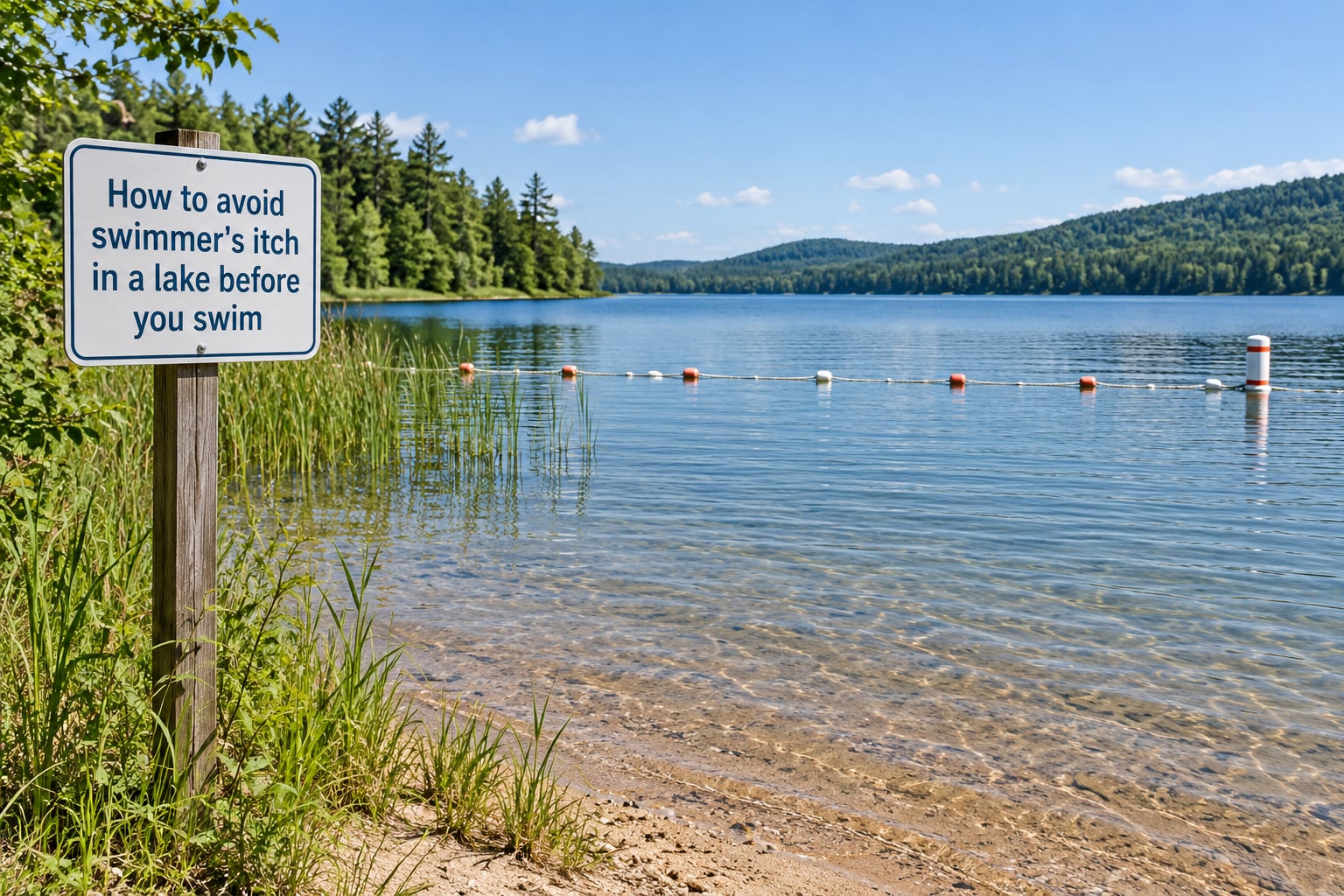
Where you enter the water matters more than anything else you can control. Not every part of a lake carries the same risk, and the difference is easy to read from the shore.
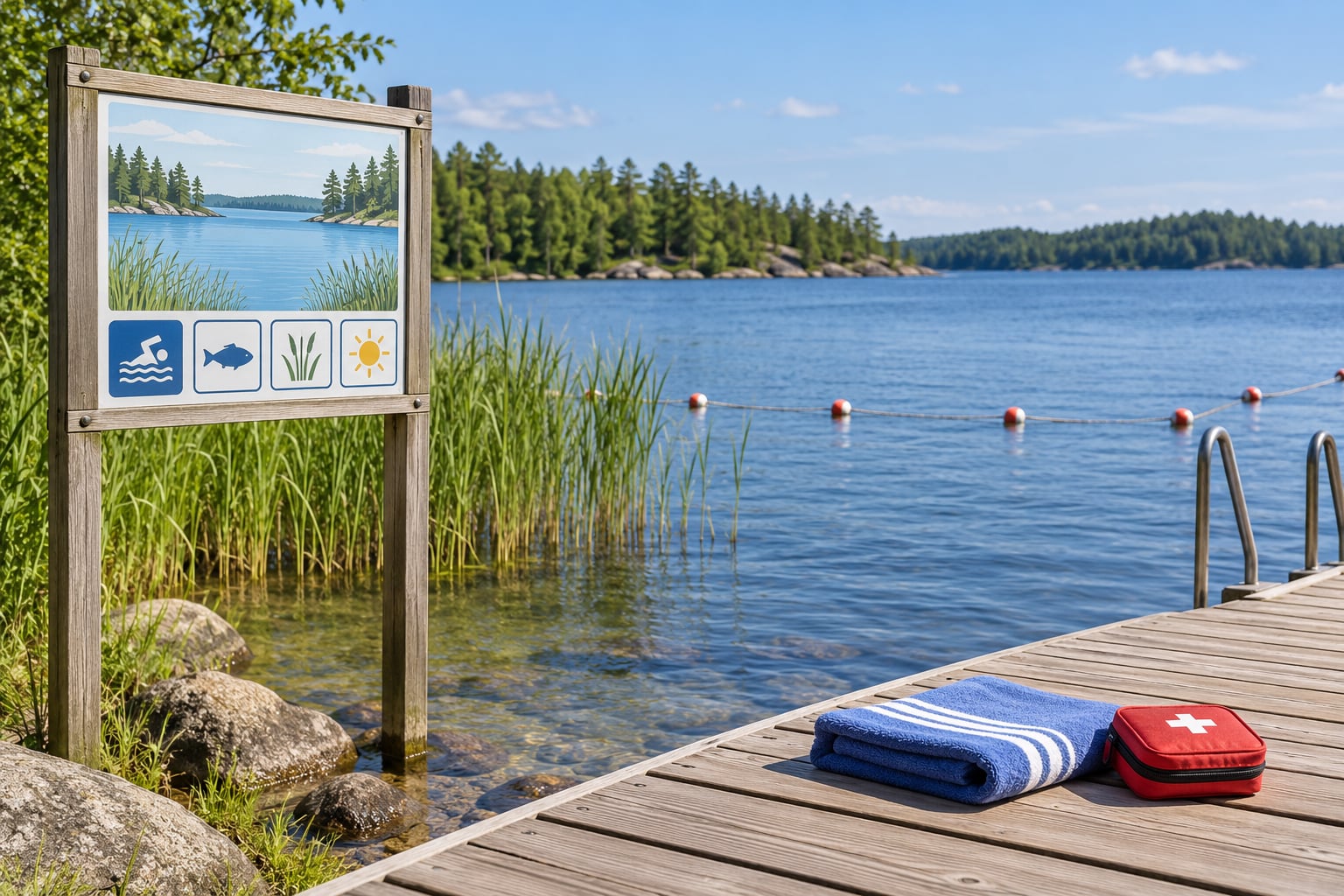
Check the posted advisory first. Local health departments issue swimmer’s itch notices for specific lakes during warm weather, and park staff put up signage at the affected ramp or beach. If a notice names a beach, take it seriously and swim somewhere else that day.
Then read the water itself:
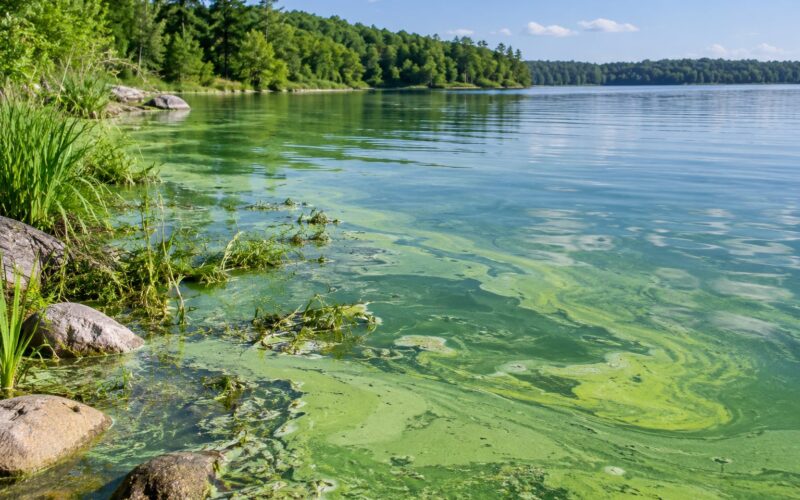
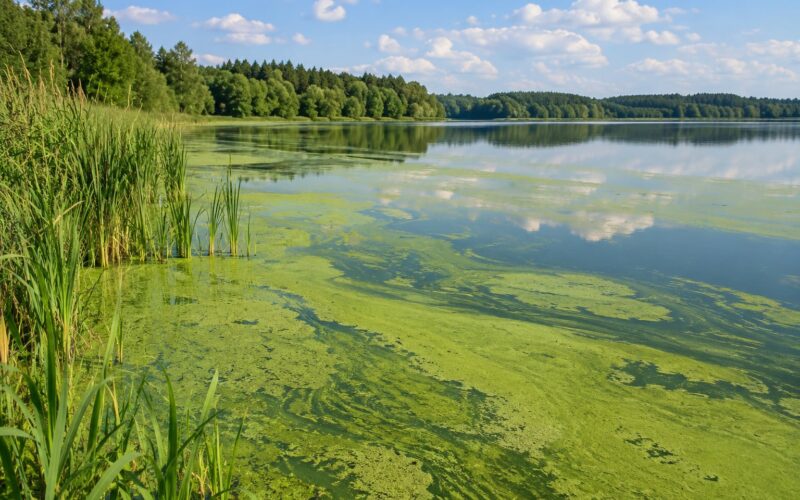
- Shallow weedy edges and inside bends carry the highest risk. Snails live there, the water is warm, and the parasites concentrate in the top few feet.
- Marshy bays and reed fringes are the same problem with more vegetation. This is where ducks and geese feed and droppings wash in.
- Maintained swim beaches are dredged, sand-bottomed, and often cleared of vegetation. Lower risk, not zero.
- Deeper open water off a point or drop-off is cooler and holds fewer cercariae near the surface. It is the better choice if you are swimming laps rather than wading.
Timing helps too. Cercariae activity tends to track the snails, which are most active in the cooler hours, so early morning water carries more risk than a swim in the afternoon. Onshore wind blows the parasites toward shore, which pushes you into exactly the water you were trying to avoid.
One last check before you wade in: look for birds. Concentrated waterfowl feeding close to a swimming area is the single clearest sign that this stretch of shoreline is a host to the parasite. Swimmers cannot control how many ducks use a lake, but they can control where they enter.
You will know you picked well if you spent your first ten minutes looking at the shoreline profile instead of at the water.
Dry your skin thoroughly after freshwater swimming
This is the step that matters most after the swim, and it is the one most people skip. Get out of the water and towel off right away, on the shore, before you pack a cooler or start the boat.
Work systematically rather than hitting a few random spots. Pay attention to your feet and ankles, the lower legs, your hands and wrists, your waistband and lower back, and anywhere a wet strap or waistband has been sitting against skin. Those are the surfaces that stay damp the longest.
Do not let skin air-dry. Walking up the ramp with water evaporating off you leaves a thin, concentrated film of whatever was in the lake right where your skin is exposed. Vigorous toweling with a dry, absorbent cloth is the practical version of the habit.
Then change out of wet clothes and shoes. A wet suit, damp sandals, and soaked swim briefs all keep that water film in contact with skin long after you have left the shoreline.
If there is a shower or a freshwater hose, rinse immediately. Most boat ramps and remote beaches do not have one, which is exactly why the towel and the dry change of clothes are the real tools.
Reduce exposure and protect vulnerable skin
Sensitization is the part most people get wrong. Your first exposure may take twelve hours to a day and two weeks to clear. The next one can start within two hours and feel considerably worse. Repeat lake-goers are the highest-risk group, not because the lake changed but because their immune response did.
For families, the practical version is simple: children wade, and wading means shallow water. Supervise closely, keep swim time short, and towel them off yourself the second they leave. Do not expect a seven-year-old to handle that step.
Barriers help by keeping skin covered rather than by killing anything.
- A rash vest, long-sleeve sun shirt, or wetsuit reduces the amount of skin exposed to the water. Wetsuits work well for paddlers and open-water swimmers who are already in the water for a while.
- A waterproof sunscreen or plain barrier lotion may reduce penetration. Petroleum jelly before swimming gets the same mention in open-water circles. Treat all of these as reasonable rather than proven.
- Do not rely on repellent or scented creams. They are aimed at insects, not snails.
Cover cuts, scrapes, or freshly irritated skin before you swim. Open skin is both easier for parasites to enter and easier for a secondary infection to start.
If you paddle, fish from shore, or wade the weed beds for bass, remember that you are taking the same exposure without ever deciding to swim. Work the drop-offs and deeper structure instead of the shoreline reeds where you can, and toweling off applies exactly the same way at the end of the trip.
Know what to do if an itchy rash develops
A typical case shows up as small red bumps or papules, concentrated where skin stayed wet or against a strap. Itching or burning usually starts within a few hours and can take a day or two. It clears on its own within a week to two weeks.
Before you settle on a diagnosis, compare it against the lookalikes:
- Chigger bites cluster around ankles, waist, and groin, feel like a sharp sting before the itch starts, and show a tiny central point. There is no water connection.
- Pool chlorine rash follows time in a chlorinated pool, not a lake, and usually clears within a day or two of getting out.
- Insect bites appear one at a time in exposed areas, without any pattern tied to a swim.
- Bacterial infection comes later. Expect spreading redness, warmth, swelling, pus, or fever rather than itching alone.
Stop scratching if you can. Nails and friction are how an itchy rash turns into a secondary infection, which is the one real reason to be careful here. Keep the skin cool with a cold compress, and avoid hot baths or hot showers, which several people report make the itching markedly worse.
Common over-the-counter options people reach for, such as calamine lotion, a baking soda paste, or a one percent hydrocortisone cream, are topical symptom relief. Ask a pharmacist or a clinician before taking any medicine, including antihistamines, and follow the label.
See a doctor or urgent care if redness spreads, blisters or pus appear, you run a fever, the rash lands on your face or near your eyes, or symptoms run past two weeks. Get help right away for trouble breathing or swelling of the face, mouth, or throat.
Common Mistakes
- Assuming clear water means safe water. The parasite is invisible and the water can look perfect. Judge the shoreline, the signage, and the birds, not the clarity.
- Staying in for several more days. Each exposure adds to your sensitization, and the reaction you get on day three is the one you will remember.
- Scratching or shaving the rash. This is how a mild case becomes an infected one. Keep nails short and cool the area instead.
- Using pool chlorine at the campsite. Pool chemicals are not a treatment for this and will irritate skin that is already broken out.
- Treating it as an allergy or bacterial infection. It is an allergic-type reaction to a parasite, not an allergy to pollen and not an infection. Antihistamines and antibiotics address different problems, so guessing wastes days.
The habit that does most of the work is unglamorous: pick your entry point with care, and towel off the moment you are out. That combination costs nothing and covers most of what anyone can control.
Frequently Asked Questions
Can you get swimmer’s itch in clear freshwater?
Yes. The parasite larvae are microscopic and never change how the water looks, so clear, clean-looking water carries exactly the same risk as murky water. Judge the shoreline instead: shallow weedy edges, marshy bays, and areas with concentrated waterfowl feeding nearby are the highest-risk spots in any lake.
How long does swimmer’s itch usually last?
Symptoms usually clear within one to two weeks without treatment. A first exposure may not appear for twelve hours to a day, while repeat exposures often start within two hours. Second and third reactions tend to be stronger and shorter-lived than the first, which is why regular swimmers notice it more over time.
Is swimmer’s itch contagious between swimmers?
No. It cannot pass from one person to another, and you cannot spread it through shared towels, gear, or water. The parasite needs a snail and a waterfowl host to reproduce, and humans are dead ends in that cycle. It is also not dangerous, only intensely uncomfortable.
Can children swim in a lake with swimmer’s itch?
Children can swim, and there is no rule that says they must stay out of the water. The risk sits in shallow areas, which is exactly where kids wade, so keep an eye on them, keep the swim shorter than usual, and towel them off yourself as soon as they are out of the water. Check for posted advisories first.
When should I see a doctor for a lake-related rash?
See a clinician if redness spreads, the skin blisters or drains pus, you develop a fever, the rash reaches your face or eyes, or symptoms last longer than two weeks. Get urgent help for trouble breathing or swelling of the face, mouth, or throat. Itching on its own without any of those signs is the usual course.
Bottom Line
Start before you get in the water. Check the health department notice and the sign at the ramp, choose an entry point that is deep or on a maintained swim beach, and skip stretches with heavy bird activity and shallow weed growth.
Then finish the job on shore: towel every exposed area dry right away, never let skin air-dry, and get out of wet clothes. Keep swim time shorter in warm weather, supervise kids in the shallows, and remember that every exposure trains your skin to react faster next trip.
None of this makes the lake unsafe, and none of it is a guarantee. If you end up scratched anyway, you can manage the itch at home, and it clears on its own. Seek professional medical care if the rash spreads, shows signs of infection, persists past two weeks, or comes with facial swelling or breathing trouble.