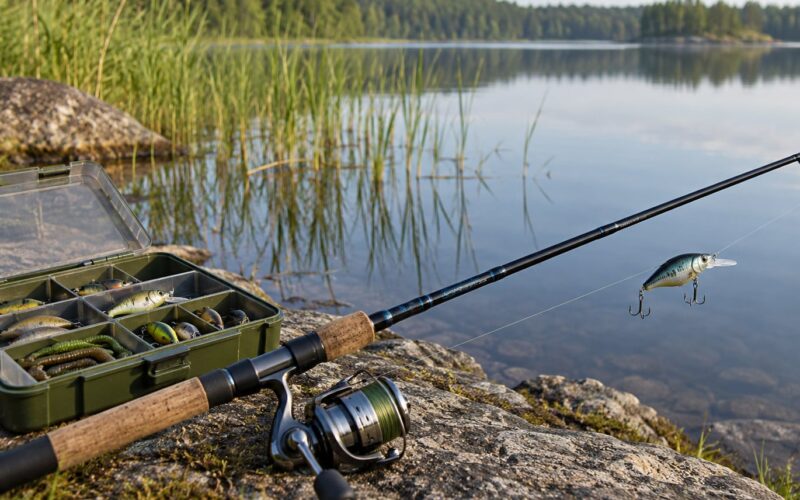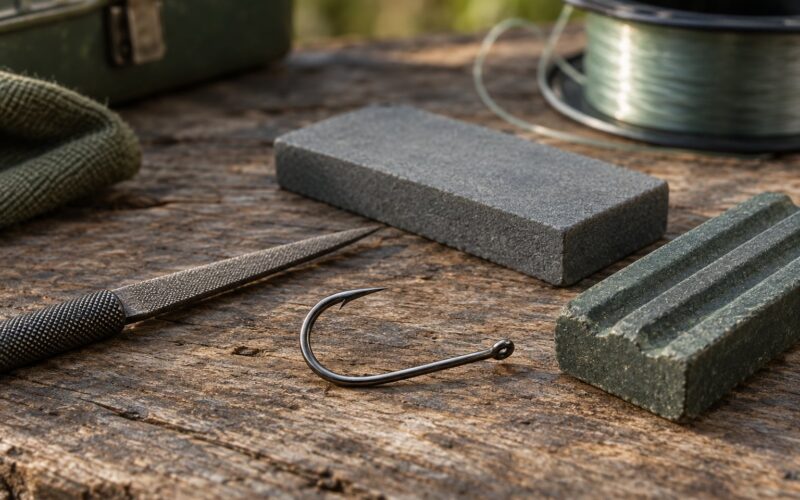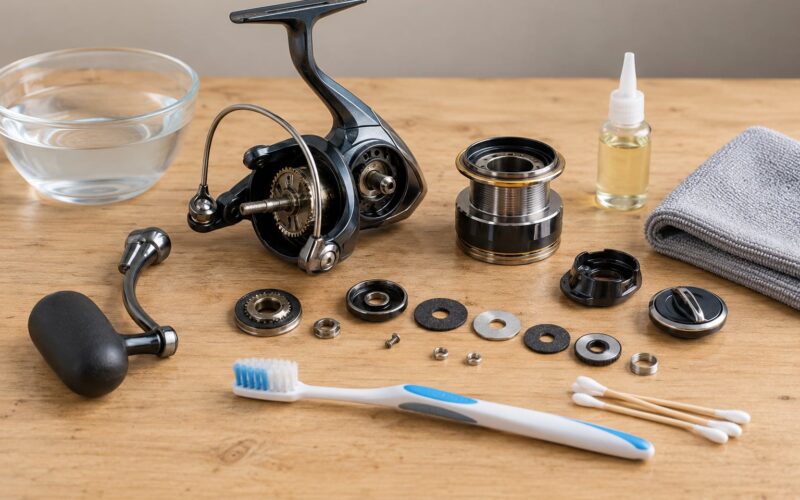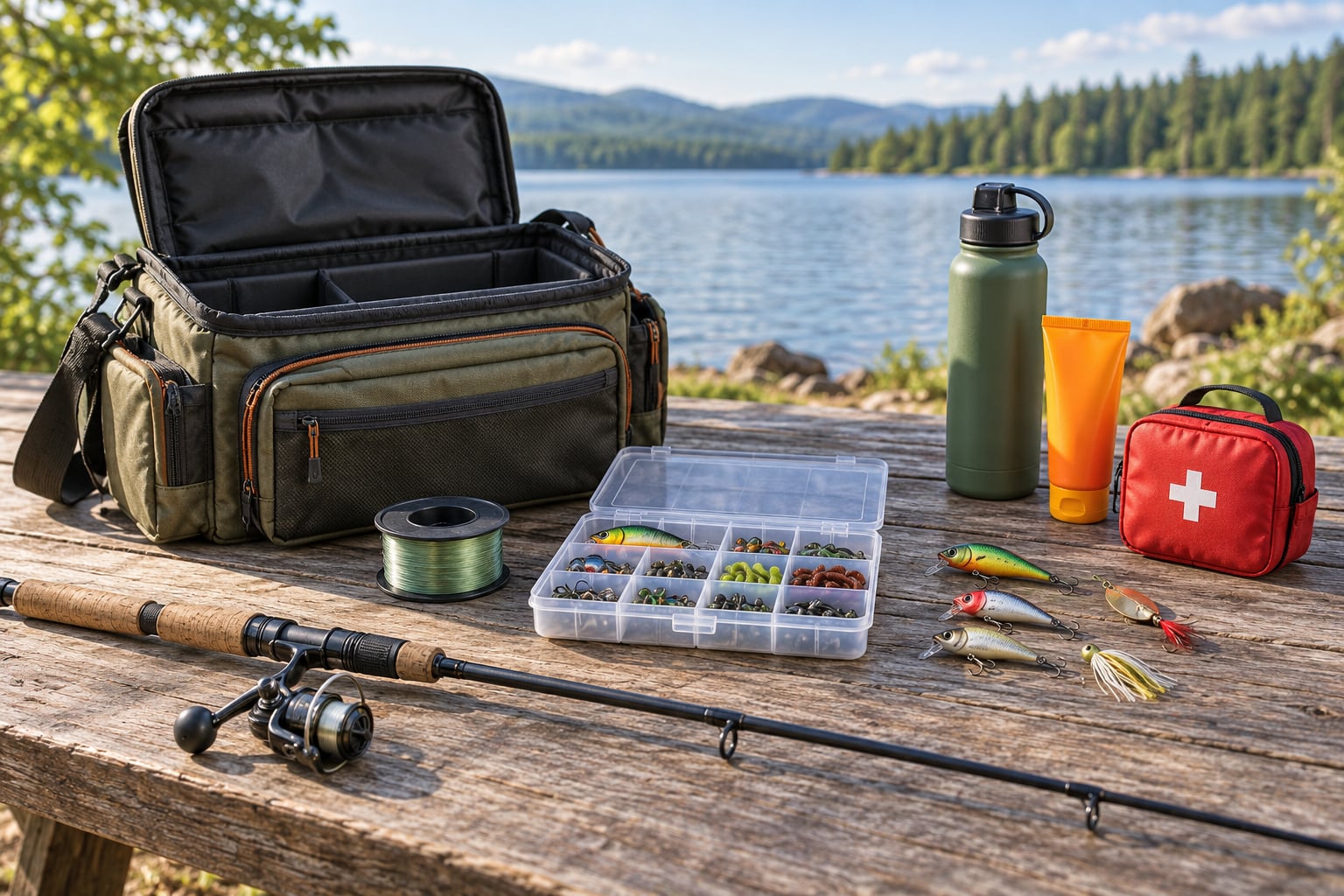
How to pack a tackle bag for a day trip comes down to one rule: bring only what you can realistically cast before you pack the car. That means a handful of terminal tackle pieces, lures covering the top, middle and bottom of the water column, the tools to fish them, and the water, sunscreen and safety gear for a few hours away from the truck. Most anglers overpack by a factor of three, then spend the first hour of the morning digging through it.
It takes about fifteen minutes once you have a system. Here is the one I use, built from what forum anglers consistently say works and what I have learned from packing badly for years.
Table of Contents
- 1What You Need to Pack
- 2Step-by-Step: How to Pack a Tackle Bag for a Day Trip
- 31. Choose a Bag for the Length of the Trip
- 42. Pack the Core Fishing Gear You Will Actually Cast
- 53. Arrange Items for Fast Access
- 64. Pack Weather, Food, and Safety Items
- 75. Do a Final Five-Minute Check
- 8Common Mistakes That Ruin a Day Trip Load
- 9Frequently Asked Questions
- 10What size tackle bag do I need for a day trip?
- 11What should I bring when the weather might change?
- 12How do I organize hooks and lures so they stop tangling?
- 13Should food and water go in the tackle bag?
- 14What is one piece of tackle gear I should never leave out?
- 15Can you bring a tackle box on an airplane?
- 16Conclusion
What You Need to Pack
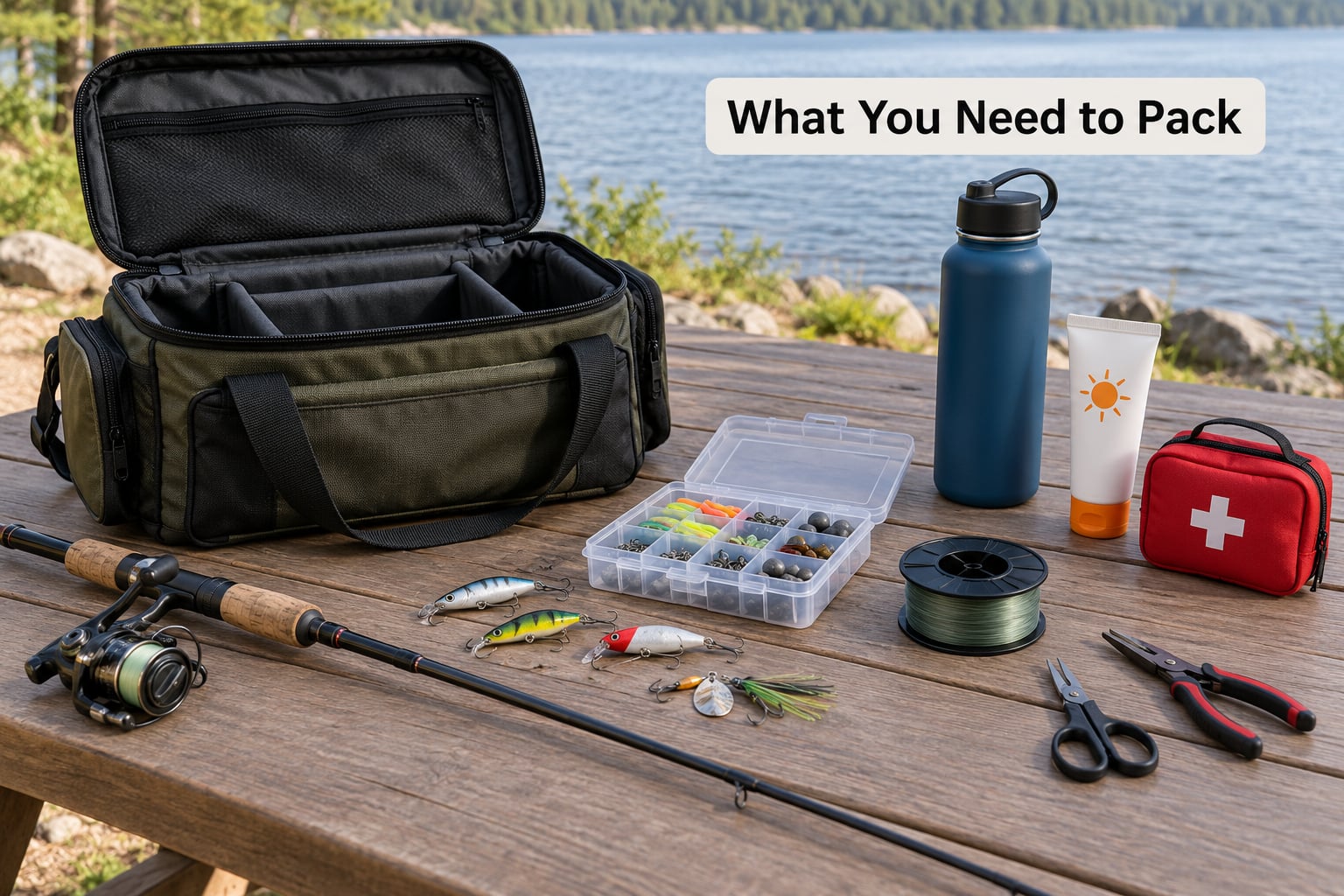
Three categories cover almost everything: terminal tackle (the business end that goes on the line), artificial lures, and accessories (tools plus safety and comfort items). Working in those three groups keeps you from packing by panic.
Terminal tackle means hooks, swivels, sinkers, weights, jig heads and the line or leader between your rod tip and the lure. Pick the sizes for your target species and the water you are fishing. Anglers packing for bass, for example, commonly carry 1/8 to 1/4 oz jig heads and 1/16 to 1/8 oz nail weights, because that covers wind, current and light bottom presentations without doubling up.
Artificial lures break into soft plastics, jigs and wire baits, and hard baits like crankbaits and spoons. Bring a couple of each category that suits your water, not a full tackle store.
Accessories are the small things that get forgotten: split-ring pliers, line cutters, a spare spool of line, leader material, a small first-aid kit, sunscreen, water, and your license.
| Category | What to bring | Where it goes |
|---|---|---|
| Terminal tackle | Hooks, swivels, sinkers, jig heads, nail weights, spare line | Rigging box, front of the bag |
| Soft plastics | Two or three profiles in one combined bag each | Middle pocket, kept cool |
| Hard baits | Two or three crankbaits or spoons covering the water column | Rigid divider area so they do not beat each other up |
| Tools | Pliers, line cutters, small screwdriver | Side pockets, top opening |
| Safety and comfort | Water, sunscreen, first-aid kit, rain shell, phone, license | Back pocket and outer pockets |
If you only take one thing from this table, take the tools row. Pliers and spare line are the two items anglers most often have to buy mid-trip after they forgot them.
Step-by-Step: How to Pack a Tackle Bag for a Day Trip
1. Choose a Bag for the Length of the Trip
Match the bag to how far you walk and how much gear you actually need. A small shoulder satchel suits a 20-minute walk to a bank with one rod and a handful of lures. A medium tote suits a full day where you want two rod setups and a rigging box. A backpack or dry bag earns its place on a hike-in spot, a kayak, or a long bank walk where both hands need to be free.
The backpack-versus-tote argument comes up constantly on fishing forums, and the honest answer is that it is a distance decision, not a preference. A tote is faster to sort through once you are set up. A backpack is kinder to your shoulders over a mile of rough shore. Hip straps, not shoulder straps alone, make the biggest difference when you are carrying water and food as well as tackle.
A common Boundary Waters approach is to put three 3600 tackle boxes inside a daypack so the bag works as both. That hybrid suits anglers moving between watercraft and shore.
2. Pack the Core Fishing Gear You Will Actually Cast
Terminal tackle goes in first, then lures, then tools. Within the lures, cover the water column. The top gets a popper or a spoon you can work across the surface. The middle gets a soft plastic on a jig head or a swim bait. The bottom gets a weighted hook, a jig or a slower lure you can feel bump the structure.
Use a selection rule instead of packing everything: for each of those three zones, bring the one lure presentation you trust most, plus one alternative in case the water is doing something different than you planned. Six presentations is usually plenty. Twelve is a fishing trip with a long walk.
Soft plastics get their own handling. Loose packs melt in a hot car and stick to everything else in the bag, which is the single most common packing complaint on the forums. Combine packets of the same profile into one zip bag so you are opening one thing instead of five, and keep them away from the bottom of the load where heat collects.
3. Arrange Items for Fast Access
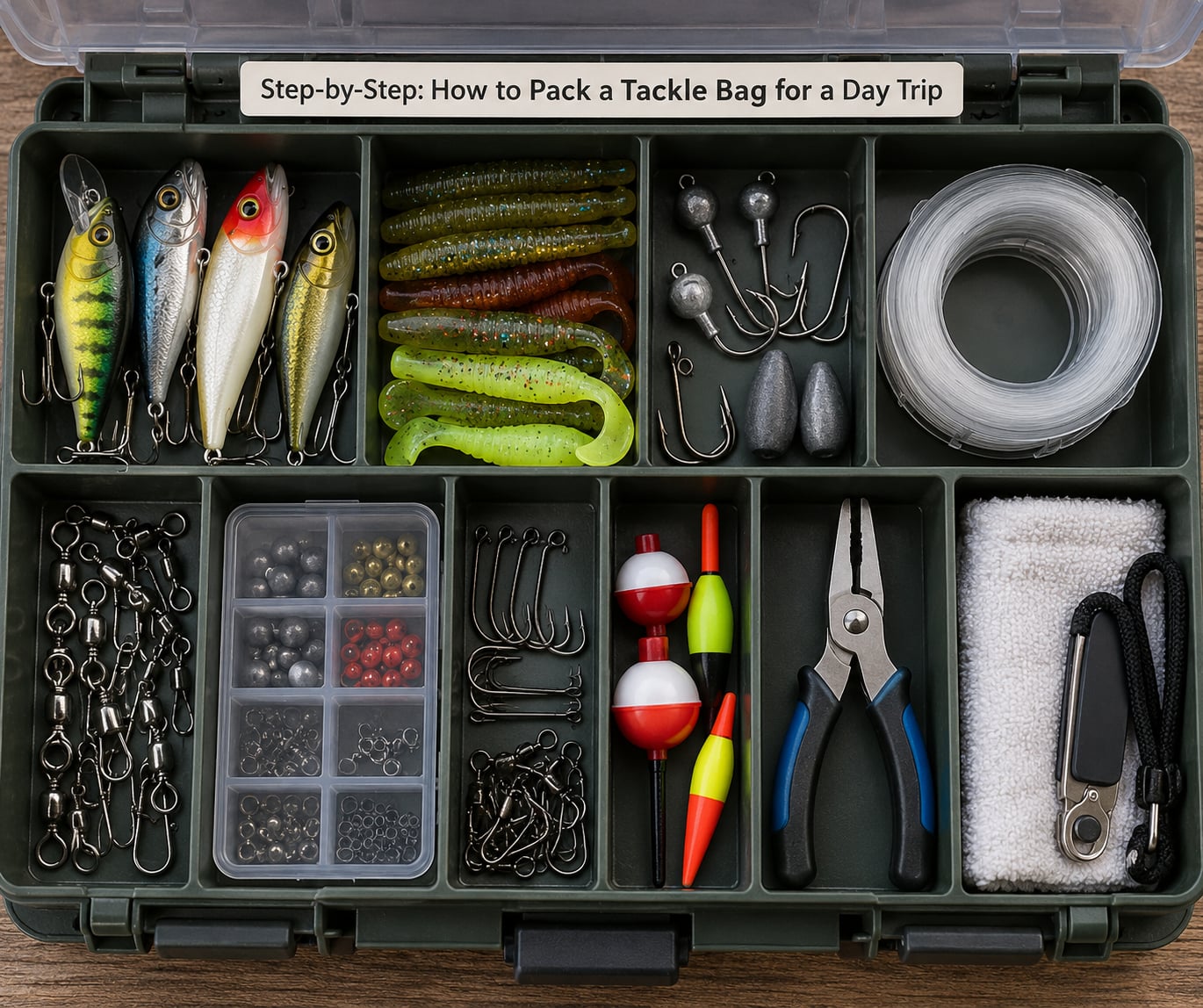
Organize the bag by touch, since you will be looking down, not sorting through it. Keep the lures you expect to change most in the top pocket. Put terminal tackle in a divided rigging box at the front so hooks stay in their slots. Coil line and leader in a spool holder or a small container, because loose line in a tackle box tangles itself before you make the first cast.
Load the bag in the same order every single trip. The Salt Strong coach puts soft plastic bags in left to right, always the same sequence, and lets muscle memory do the finding. It sounds fussy until you have emptied an entire bag on the deck looking for a single swimbait. Same order, same pocket, every time.
Load order also protects things. Heavy sinkers and tools at the bottom, soft plastics on top, hard baits in a rigid section where they cannot crack each other’s bills. Electronics and anything breakable go in the outer pocket so a dropped bag does not destroy them.
4. Pack Weather, Food, and Safety Items
The non-tackle half of the bag gets skipped more often than the tackle half, and it is the half that can end your day early. Assume sun, wind, rain and temperature change all in one outing, because they usually do.
- Water, and more of it than you think you need
- Sunscreen and polarized sunglasses
- Insect repellent for warm months and still water
- A rain shell or packable poncho in a side pocket, not the main compartment
- An extra layer if the forecast runs cool in the morning
- Your phone, charged, plus a required safety item such as a life vest if you are boating
- A compact first-aid kit
- Snacks that do not need a fork, plus a sealed bag for the trash they create
- Your fishing license
Put the water and snacks in a side pocket or the bag of a backpack, not loose at the bottom. If it spills, you do not want it running through your hooks.
5. Do a Final Five-Minute Check
Stand at the door with the bag zipped and run this in order: license in pocket, phone charged, water in the bag, weather checked, tools in the side pocket where your hand expects them, tackle boxes closed and latched, and a plan for getting back. Then check the thing most people skip, which is the return plan. Tell someone where you are going if the spot is remote or the water is unfamiliar.
Water conditions matter as much as the forecast. If the level has dropped or risen recently, or the wind is forecast to blow up in the afternoon, adjust the lure selection before you leave rather than hoping it works out. If any one item on the list is missing, either find it or decide you can genuinely fish without it. Half-carrying a repair kit is the most common unfinished trip of all.
Common Mistakes That Ruin a Day Trip Load
Bringing three times the tackle you need. Pick your six presentations before you open a single compartment, and close the lid on everything else. Overpacking slows you down at the truck and makes you walk slower to the water.
Dumping everything into one box. One main compartment means one pile. Use at least three zones: lures, terminal tackle, and personal items.
Loose hooks in a soft bag. Hooks end up in the same pocket as your wallet. Keep them in a rigid divided box with a lid.
Leaving line loose in the box. Coiled on a spool or clipped to a holder. Tangled line at the truck is a ten-minute fix you do not need.
Forgetting water and weather protection. These live in the outer pockets so you grab them the moment the weather turns, not after twenty minutes of being wet.
Omitting legal or safety items. The license and, if you are on the water, the required flotation gear. Check the rules for the water you are heading to, because requirements vary by state and by body of water.
Packing electronics where they can be crushed. Phone and camera go in the outer pocket or a padded sleeve, away from sinkers and tools.
Leaving the bag in a hot car the night before. Soft plastics deform and seal stick together. Pack the night before, keep the bag indoors, and load it into the car last.
A few habits cover most of it: pack the night before so you are not rushing, load in the same order every time, keep every bag closed while you fish, and re-pack the essentials rather than restocking the whole garage after a trip.
Frequently Asked Questions
What size tackle bag do I need for a day trip?
A small satchel holds a single rod setup, a handful of lures and a few tools, and it works for short walks to a familiar bank. A medium tote suits a full day with two setups and a rigging box. A backpack or dry bag is worth the extra bulk when you walk a distance, wade, or kayak, since it keeps both hands free and spreads weight across your hips.
What should I bring when the weather might change?
Pack a rain shell or packable poncho in an outer pocket, an extra warm layer if the morning starts cool, and sunscreen plus insect repellent for the opposite case. Keep those items where you can grab them without unpacking tackle, and check the hourly forecast before you leave rather than relying on the morning summary.
How do I organize hooks and lures so they stop tangling?
Keep hooks and swivels in a divided rigging box with a lid, coil line and leader on a spool or holder rather than loose, and put soft plastics in combined zip bags instead of individual packets. Load soft plastics on top and hard sinkers at the bottom so nothing crushes anything, and pack the bag in the same order every trip so you find items by feel.
Should food and water go in the tackle bag?
Yes, but not loose in the main compartment. Use a side pocket or a backpack pocket for water and snacks so a spill cannot reach your hooks and terminal tackle. Sealed zip bags keep crumbs out of the compartments, and carrying them in the bag means you are less likely to leave them in the vehicle.
What is one piece of tackle gear I should never leave out?
Split-ring pliers. Nearly every forum thread about forgotten gear names them, because rigging changes constantly and you cannot fix a bent hook or replace a stripped ring without them. Line cutters are a close second, and a spare spool of line sits in the same category because a snapped line ends the session.
Can you bring a tackle box on an airplane?
Tackle generally travels fine as checked or carry-on luggage, but the tools are the deciding factor. Pliers and other cutting implements may need to be checked rather than carried into the cabin. Spools of line, hooks and lures are not restricted, so put them in your carry-on and keep your heaviest, sharpest gear in a checked bag. Check your airline and the airport authority rules before you fly.
Conclusion
Start with the trip, not the bag. Decide the water, the species and the walk, then pick six presentations that cover the top, middle and bottom. Pack the rigging box first, load the lures in the same order every time, and keep water, sunscreen and a rain shell in the outer pockets. Finish at the door with the five-minute check, and you will never fish a day trip from an empty hook or a soaked jacket again.