To prevent frostbite outdoors, you control three things: how long you stay exposed, how wet your clothing gets, and how well you cover your hands, feet, ears and face. Frostbite happens when skin and the tissue under it freeze after exposure to cold, and it usually hits the fingers, toes, ears, nose and cheeks first. Get those three variables right and the risk drops sharply, whether you are ice fishing, winter camping, hunting or driving through a storm.
Most of this is habit rather than gear. The anglers who keep their fingers working all day are the ones who check their skin on a schedule and carry a dry spare pair of gloves, not the ones who bought the most expensive mittens.
This guide covers general cold-injury information the way the CDC, Mayo Clinic and the National Safety Council describe it. It is not a diagnosis or a treatment plan. If you see waxy skin that stays pale, blisters after thawing, or confusion in anyone in your group, get to a clinician or call emergency services.
Table of Contents
- 1What You Need
- 2How to Prevent Frostbite Step by Step
- 31. Check the Weather and Adjust Your Plans
- 42. How to Prevent Frostbite: Dress in Layers That Keep You Dry
- 53. Protect the Head, Hands, Feet, and Neck
- 64. Keep Moisture Away and Replace Wet Items
- 75. Pace Activity and Manage Heat Loss
- 86. Monitor Skin and Fellow Travelers
- 97. Know When to Leave and Get Help
- 10Common Mistakes
- 11Frequently Asked Questions
- 12How quickly can frostbite happen outdoors?
- 13Does wind chill affect frostbite risk even when the air temperature is above freezing?
- 14How can I tell that my child is getting cold enough to be injured?
- 15Is alcohol useful for keeping warm in cold weather?
- 16What should I do if a person develops numb, pale skin while outside?
- 17Can frostbite be prevented in wet boots during ice fishing or snowmobiling?
- 18Conclusion
What You Need
Prevention starts before you leave the driveway. Everything below is cheap to assemble and most of it can live in one pack or one vehicle all season.
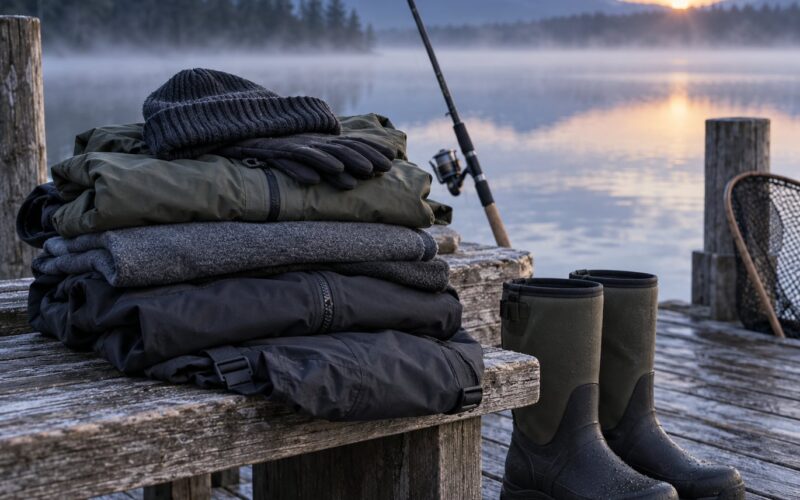
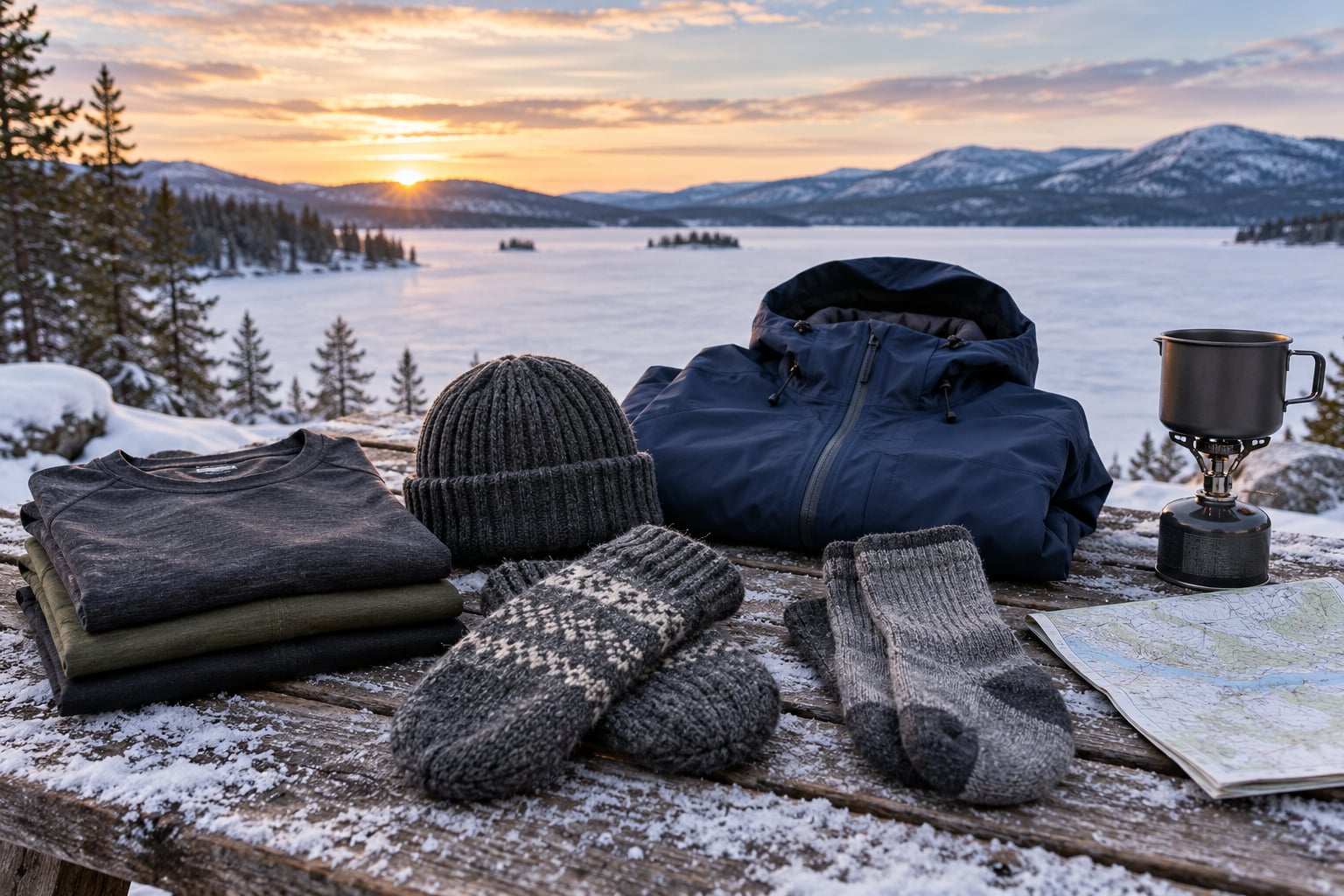
- Three-layer clothing system — a moisture-wicking base layer, an insulating middle layer such as fleece or down, and a windproof waterproof shell.
- Warm hat and neck covering — a wool or synthetic beanie that covers the ears, plus a neck gaiter or balaclava you can pull over your nose and cheeks.
- Mittens, not fingered gloves — mittens share warmth across all five fingers. Thin liner gloves under them keep you dexterous without letting your hands go cold.
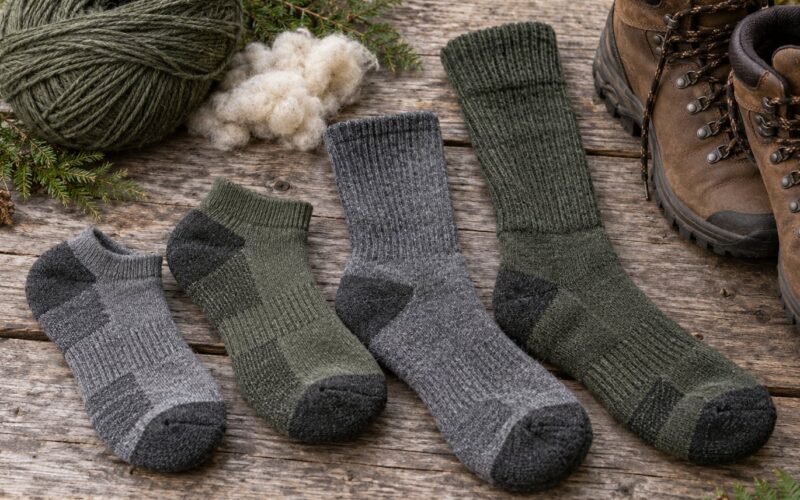
- Two or three pairs of wool or synthetic socks plus dry sleep socks kept in a sealed bag.
- Insulated waterproof boots with removable liners — liners let you swap the damp layer out without stripping the whole boot.
- Spare dry gear — a second pair of mittens, a base layer top, and socks in a waterproof bag. Wet gear that stays against skin is the single most common route to a cold injury.
- Hand warmers — chemical packets for the pocket or inside the glove, and a refillable hot water bottle for camp and long drives.
- Navigation and communication — a charged phone in a cold-protective pouch, a paper map and compass, and a whistle.
- An emergency plan someone outside your group knows — where you are going, when you expect to be back, and what to do if you are late.
If you pack the spare gear but leave it in the truck, it does not count. Put the dry layer where you can reach it without taking off your mittens.
How to Prevent Frostbite Step by Step
The process runs in order: plan the exposure, build the layer system, protect the extremities, manage moisture, manage sweat, check skin on a timer, and know your exit threshold. Work through them in that sequence and each one makes the next easier.
1. Check the Weather and Adjust Your Plans
Start with the forecast, then look at wind chill rather than air temperature alone. Wind strips the warm air layer next to your skin, so a blustery 34°F day can injure exposed tissue faster than a still 28°F one. Note how long you plan to be out, whether daylight will run out before you do, and whether wet weather is moving in.
Shorten the outing when the numbers do not work. Cut the time on the ice, move the start earlier, or plan a warming stop in a sheltered place. An adjusted plan is the clearest proof the precaution did its job.
2. How to Prevent Frostbite: Dress in Layers That Keep You Dry
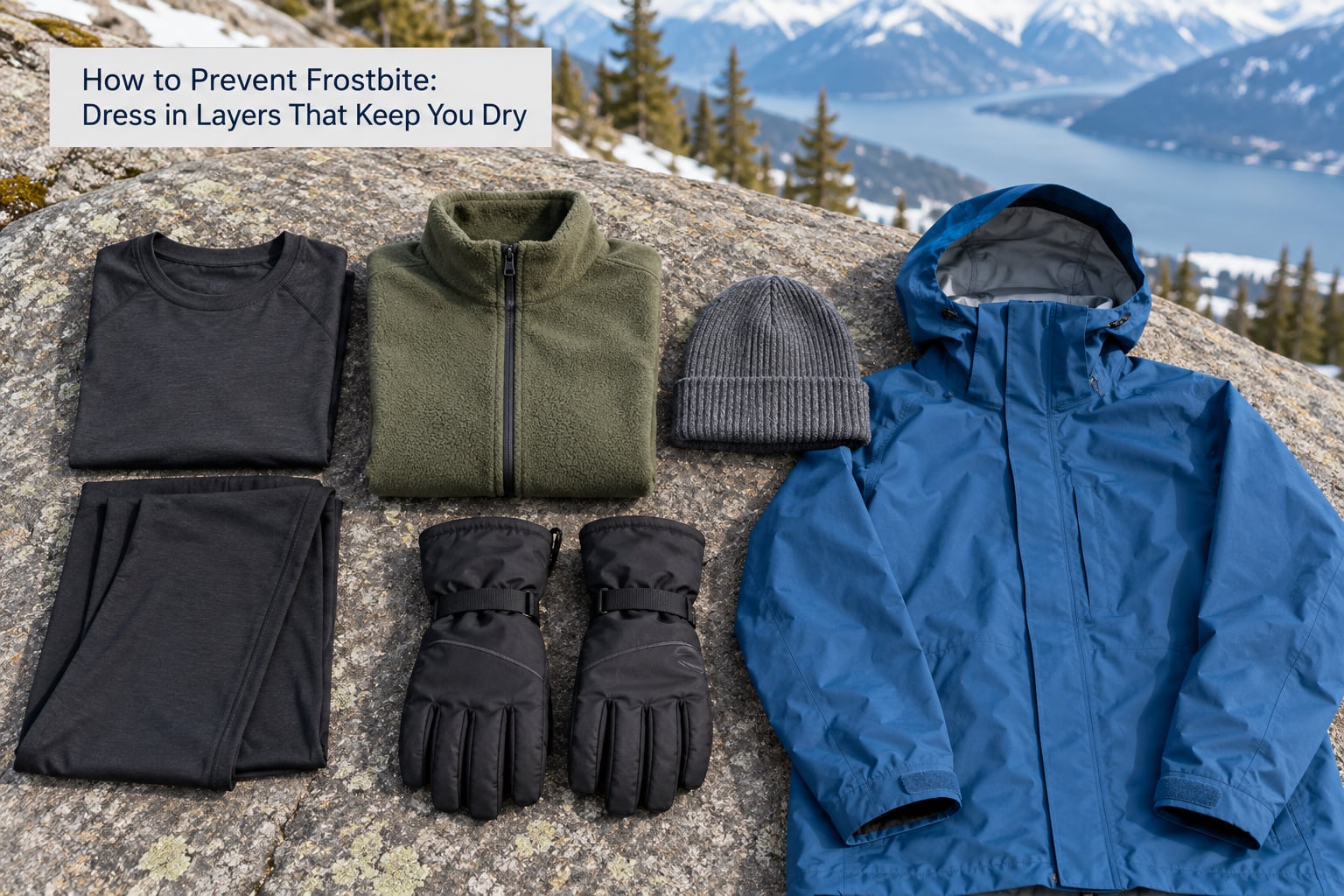
The three-layer system works because each layer does one job. The base layer wicks sweat off your skin, the middle layer traps air as insulation, and the shell keeps wind and precipitation out.
Leave cotton out entirely. Cotton absorbs moisture, dries slowly, and once wet it pulls heat away from your skin faster than wool or synthetics. Denim has the same problem. Merino wool and synthetic blends keep some warmth even damp, which matters more than weight when the weather turns.
You know the layering is right when your inner layers stay dry and comfortable for the length of the outing. If your base layer feels clammy under the shell, you have one layer too many or the wrong fabric.
3. Protect the Head, Hands, Feet, and Neck
Extremities get cold first because they are farthest from your core, and the body narrows blood vessels to those areas before anything else. That is normal in moderation, but it is the reason frostbite almost always starts at the edges.
Cover the head so the ears are enclosed, pull a neck gaiter up over your chin and nose on a windy day, and wear mittens with the cuff over or under your sleeve so no bare skin shows at the wrist. For feet, use wool or synthetic socks, change them at the first sign of damp, and choose boots with insulation rated below what the forecast needs so warmth does not push you into sweating.
A quick look at your hands and face should show warm skin, normal color, and no gap where cold air can get in. If skin looks smooth, white or unusually bright, stop and warm up.
4. Keep Moisture Away and Replace Wet Items
Water conducts heat away from the body far faster than air does, which is why damp clothing creates a cold injury risk even when the thermometer reads above freezing. Perspiration, rain, falling snow and a slowly leaking boot are all the same problem in practice.
Vent where you can: loosen a jacket before you overheat, and open a shelter rather than pacing to stay warm. When something does get wet, get it off, wipe it down, and replace it with the dry spare you packed. Boots deserve a specific habit: take the liners out at breaks so both boot and liner can dry, and stuff them with rolled newspaper or a foam dryer while you walk.
Change socks on a schedule rather than on distress. Snowmelt from a boot that looks dry on the outside is a common surprise, and it is why two or three pairs are the field standard.
5. Pace Activity and Manage Heat Loss
Movement generates heat, which is useful, but working hard in deep cold makes you sweat without warning. Damp insulation is the outcome to avoid, so effort and rest need to alternate instead of one long push.
Plan warming breaks where there is shelter or a vehicle, every 30 to 45 minutes on a hard day. Skiers, sledders, snowmobilers and anyone working a job site outdoors need breaks even when they feel fine, because the feeling arrives after the tissue changes.
Do not push hard when you are already shivering hard or clumsy. That is your body telling you it is spending the reserve it needs for core temperature.
6. Monitor Skin and Fellow Travelers
Set a timer and check skin every 10 to 15 minutes. That habit catches frostnip long before it becomes real frostbite, and it works on children, older adults and anyone who cannot reliably report what they feel.
Warning signs to watch for, without diagnosing anything: skin that stays numb after you get out of the cold, a pale or waxy look, skin that feels hard or unusually firm, difficulty using the fingers or toes, and in severe cases confusion, slurred speech or strange behavior. Numbness deserves respect. The most common thread in outdoor forums is people treating dead-feeling fingers as a toughness test, and that is exactly how a manageable problem becomes a hospital trip.
You can also check a companion by pressing a fingertip to a fingernail or earlobe and watching the color return. Slow return, or no return, is a reason to stop and warm up.
7. Know When to Leave and Get Help
Set the exit threshold before you go out, while you are still thinking clearly. Do not continue an outing when warning signs persist after warming, when someone cannot move safely, when visibility or weather makes travel unsafe, or when the group has no adequate shelter and communication.
When you hit that threshold, move to warmth, remove wet clothing, and get help. Severe or worsening symptoms need urgent medical care, and that includes suspected deep frostbite with hard skin, blisters that appear after thawing, or any change in a person’s mental state. Hypothermia is a separate emergency and takes priority over everything on this page, because a person whose core temperature is dropping cannot rewarm their own extremities effectively.
Common Mistakes
Staying in wet clothing. The mistake is finishing a wet shift and sitting still in it. The consequence is rapid heat loss from damp insulation. The correction is immediate: strip, wipe, replace with the dry layer, and dry boots at the first break.
Wearing cotton. Cotton holds water against skin and loses insulation as it wets. Wool or synthetic base layers keep working when damp. Swap the cotton before the trip, not during it.
Covering the torso and ignoring the rest. A warm jacket with bare hands is not a cold-weather kit. Ears, nose, cheeks, fingers and toes are where frostbite starts, and they need their own insulation.
Leaving a gap between layers. A bare strip of shirt or wrist skin lets wind sit against the skin and wicks heat away. Pull base layers up under your outerwear and make sure mittens and socks overlap what sits above them.
Ignoring numbness. Numbness feels like a temporary inconvenience, so people keep working. It is the most reliable early signal that tissue is being injured, and it deserves an immediate warming stop.
Overheating through sweat. Bundling up until you sweat and then standing still in the wind strips heat faster than the extra insulation ever provided. Dress for the coldest part of the day, then vent as you warm up.
Forgetting the spare dry gear. Carrying one pair of gloves means the wet pair is the pair you finish the day in. Pack a sealed backup set for hands and feet and keep it accessible.
Letting one person fall out of sight. A group that spreads out loses the ability to check each other. Agree on regroup points and keep the least cold-tolerant person in the middle of the group, where someone can watch them.
Two habits add more protection than any single piece of gear: check skin on a timer, and keep the trip short enough that you finish before anyone is truly cold. Anglers on a frozen lake who set a return time for ice thickness and visibility find it far easier to leave than the ones planning to stay until the last fish comes in.
Frequently Asked Questions
How quickly can frostbite happen outdoors?
Frostbite can develop in as little as 30 minutes in freezing conditions, and much faster when wind, moisture or wet clothing are involved. Children, older adults and people with diabetes or poor circulation can be injured sooner still. That is why checking exposed skin every 10 to 15 minutes matters, rather than waiting until you feel something is wrong.
Does wind chill affect frostbite risk even when the air temperature is above freezing?
Yes. Wind strips the thin layer of warm air that sits next to your skin, so your skin can lose heat fast enough to freeze even when the air itself reads above 32°F. Damp skin makes the same wind chill worse, which is why wet gloves, socks and a wet head covering raise your risk well above what the thermometer suggests.
How can I tell that my child is getting cold enough to be injured?
Watch the signs rather than the temperature: skin that looks pale or waxy, complaints of pain that fade into numbness, shivering that stops, unusual clumsiness or reluctance to walk, and skin that stays cold to the touch after warming. Children may not say their hands hurt, so check skin yourself on a timer and get them out of the cold early.
Is alcohol useful for keeping warm in cold weather?
No. Alcohol dilates blood vessels and makes you feel warmer while increasing heat loss, and it dulls the judgment you need to notice warning signs. Medical guidance, including Mayo Clinic guidance, lists alcohol among the things to avoid when frostbite is suspected. Warm drinks, layered clothing and dry gear are the safe route.
What should I do if a person develops numb, pale skin while outside?
Get out of the cold and into shelter, remove any wet clothing and jewelry, and begin warming the affected area gradually using body heat or warm, not hot, water. Do not rub the skin, apply a heating pad or direct heat, or walk on frostbitten feet. If the skin looks hard or blistered, or the person becomes confused, call emergency services right away.
Can frostbite be prevented in wet boots during ice fishing or snowmobiling?
It can, and the fix is keeping the boot and the liner separate. Take the liners out at every break so both can dry, roll up a foam dryer or newspaper inside them while you move, and carry a spare sock sealed in a bag. Start with boots sized so you can add a liner without squeezing your toes, and change socks before dampness reaches your skin.
Conclusion
Check the forecast, cut the exposure time to match it, and put together dry base, insulating and shell layers with mittens, spare socks and a hat that covers the ears. Before you leave, agree on two things with your group: who checks skin every 10 to 15 minutes, and at what sign everyone stops and heads for warmth. Last reviewed October 2026.