Knowing how to rent a boat for a day is simpler than most people expect: you pick a lake and a date, compare two or three operators on total cost rather than the advertised rate, sign a short rental agreement with a security deposit, and take the helm for your booked window with fuel and life jackets already on board. It takes maybe two hours of prep and a few hundred dollars of planning to turn a good day on the lake into a smooth one, and first-time families usually manage it in an afternoon.
The part that catches people out is not the booking itself. It is the handover, where a scratched gelcoat, a fuel policy nobody explained, and a return time written into the fine print can turn a fun day into an expensive argument. Get those details settled before you sign anything, and the rest is just steering.
Below is the process I would walk any family member through, from the documents to gather to the moment you untie the dock lines.
Table of Contents
- 1What You Need Before You Book
- 2Step-by-Step: How to Rent a Boat for a Day
- 3Choose the Right Boat for Your Day
- 4Compare Rental Companies and Total Cost
- 5Check Availability and Make the Reservation
- 6Prepare for Pickup and Launch
- 7Common Mistakes First-Time Renters Make
- 8Frequently Asked Questions
- 9How much do boats cost to rent for a day?
- 10What licenses do you need to rent or drive a boat?
- 11How old do you have to be to rent a boat?
- 12Can I rent a boat without a captain if I have never driven one?
- 13What should I bring on a rented boat?
- 14What happens if I damage the boat I rented?
- 15Conclusion
What You Need Before You Book
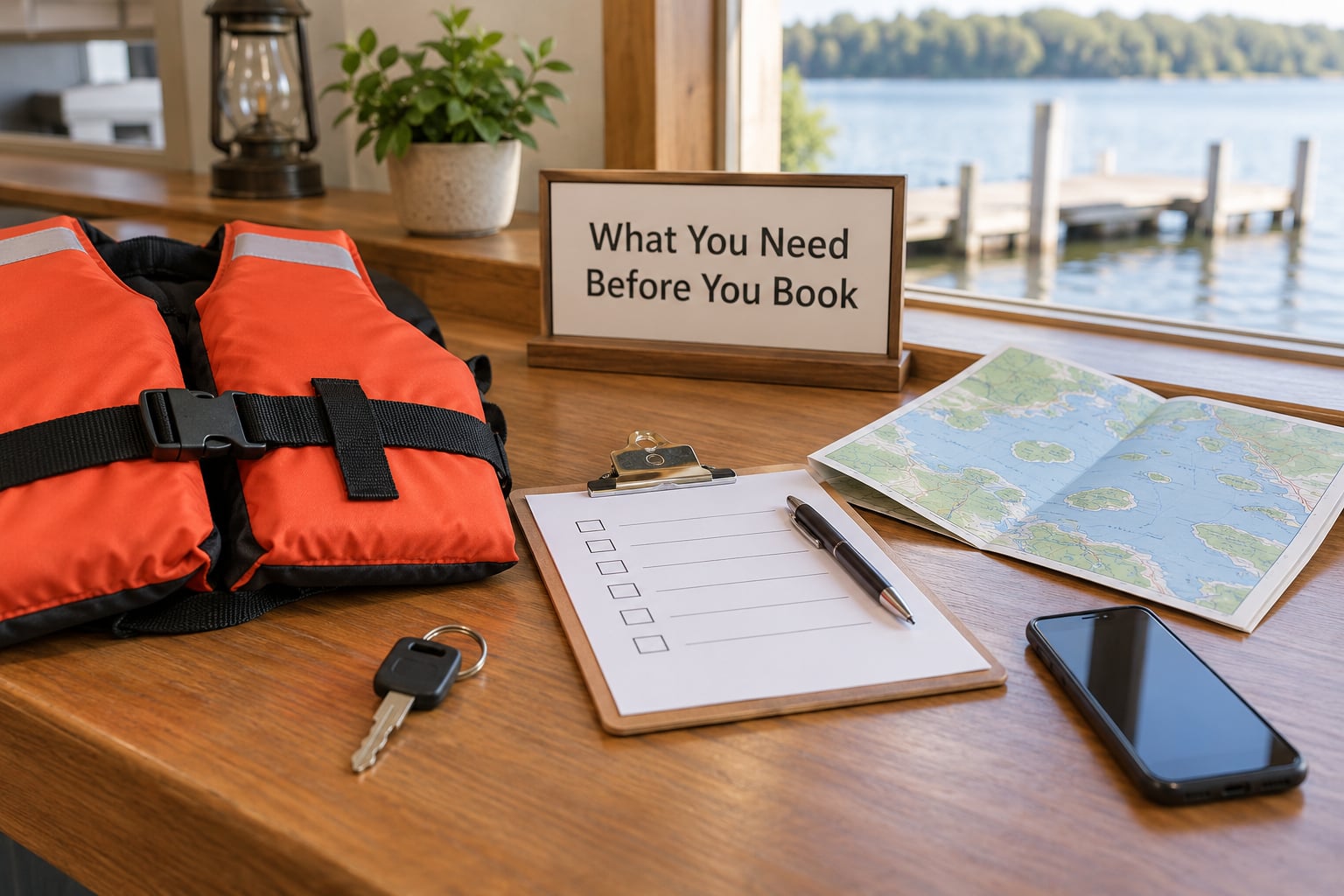
You need a government photo ID, a payment card in the name of the person who will sign the rental agreement, and a clear answer on who is operating the boat. Most operators will not hand over keys without all three, and the person named on the agreement usually has to be present at the dock with their ID in hand.
- Photo ID for every adult passenger, and the licence or state ID card of the person operating.
- A driver’s licence and a credit or debit card for the deposit hold. Some operators take a separate card for the hold so your main card stays free.
- Any boating licence or safety course certificate your state requires, plus your operator’s permit if you are renting a personal watercraft.
- An age plan. Most companies set a minimum of 18 or 21 to sign, and require an adult in the boat whenever children are aboard.
- A signed waiver, usually online or at the counter. Read it before the day rather than in the parking lot.
Boating experience is not required at every rental counter, but be honest with yourself about the boat you pick. A 12 to 16 foot skiff or a small pontoon is a forgiving place to learn throttle and steering. A 26 foot wake boat with a tower and a tube is not.
Step-by-Step: How to Rent a Boat for a Day
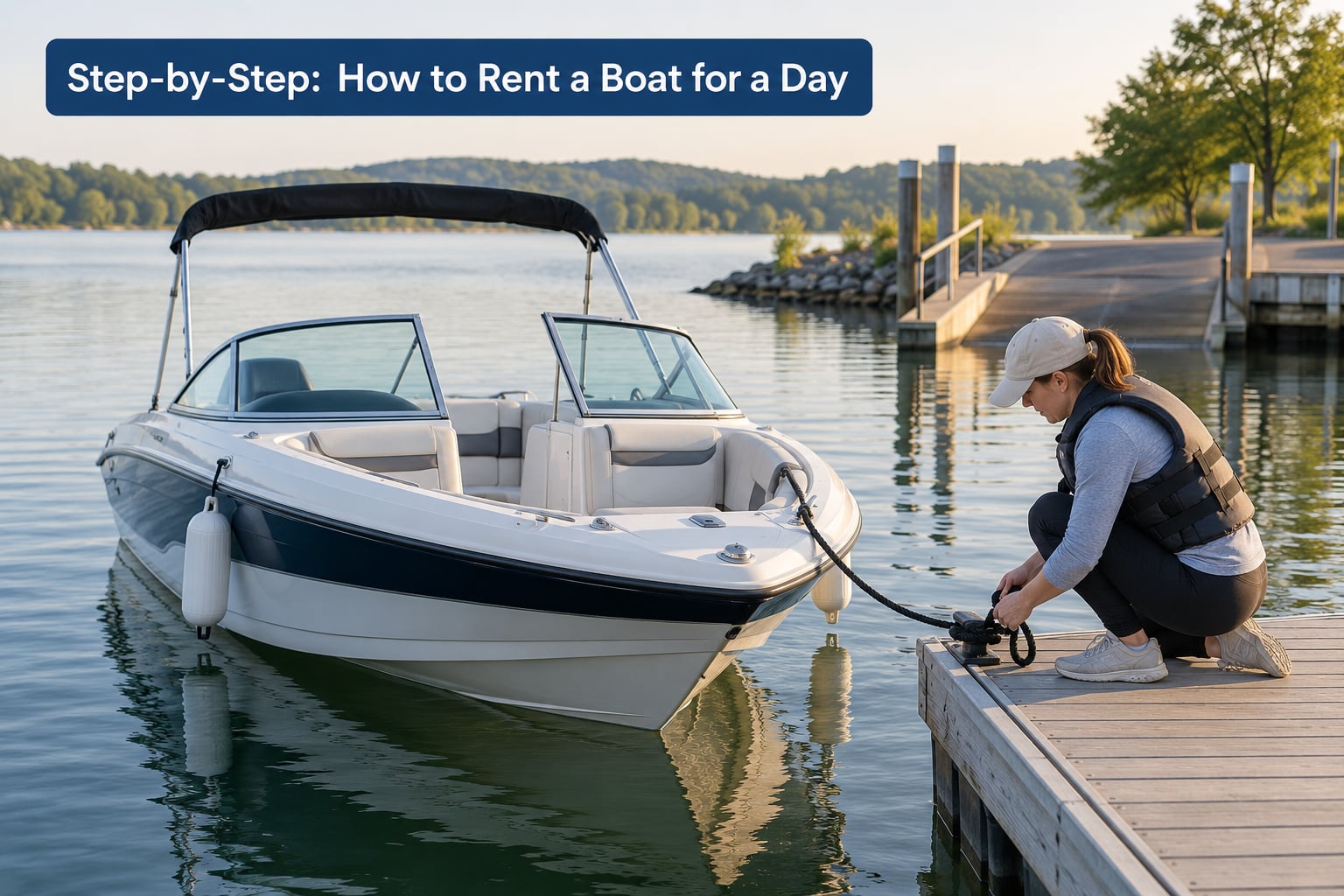
Eight steps, in the order that saves you the most trouble:
- Choose the lake and the launch point. Pick water you can reach in under an hour, and confirm where the boat is handed off.
- Match the boat type to the day you have planned, not the boat you would like.
- Get two or three quotes on the same date and the same boat class.
- Read the fuel, deposit and damage waiver terms before you fall in love with a listing.
- Ask who operates. Confirm whether a licensed captain is included, required, or optional.
- Book and sign the rental agreement with a card that matches the renter’s name.
- Do the walk-around at pickup and photograph every scratch, scuff and dent.
- Return on time with a full tank, dock as you were shown, and wait for the deposit release.
Choose the Right Boat for Your Day
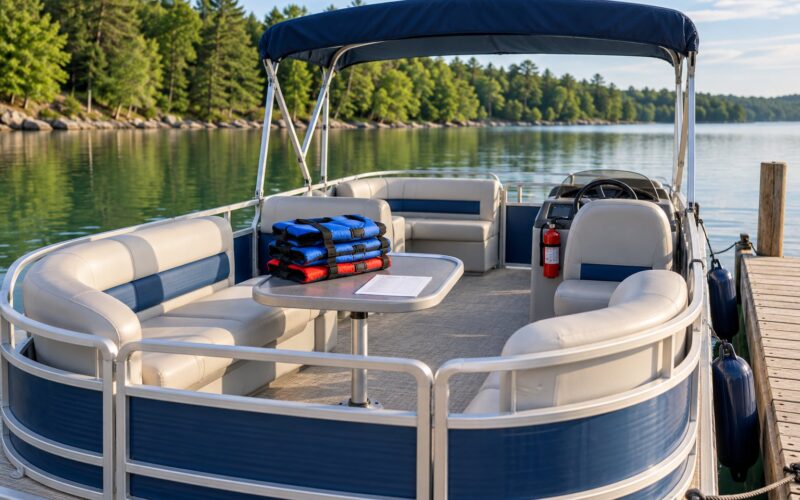
Boat type matters more than horsepower. A pontoon boat rental suits families, sandbar trips and anyone who wants to stand up and move around without worrying about balance, with rail seating, a canopy on some models, and low speed in the water. A center console is built around a helm and open deck, which makes it the usual choice for fishing and for anyone who wants to cast lines.
A party boat adds a canopy, a sound system, a bar area and often water toys, and it comes with a longer list of restrictions, including limits on who can ride the tube and where you can tow. A yacht with a captain removes the driving question entirely, which is the strongest option for a large group with no experienced operator.
Check three numbers before you commit: the passenger capacity on the capacity plate, the boat’s overall length against local launch rules, and whether the motor is inboard or outboard. Beginners reading the boat rental agreement often overlook the capacity plate, and that limit is the one law that is never negotiable on the water.
Compare Rental Companies and Total Cost
Compare the full invoice, not the headline daily rate. A cheaper boat can cost more once fuel, the damage waiver, the cleaning fee, taxes, a processing charge on the deposit hold and a tip for a captain are added. Ask each operator for the same six numbers in writing and lay them side by side.
- Base rate for a full day, and whether it is billed by the hour, half-day or day.
- Fuel included, or refunded for what you put in, or priced per gallon.
- Security deposit amount and how long the hold takes to clear.
- Damage waiver or deductible, and what it costs to decline the protection.
- Extra fees for cleaning, water toys, a second driver or a late return.
- Captain fee, if a crewed option is on the table.
One detail renters rarely check: whether a second driver is allowed. Many agreements name a single operator, and adding anyone else can void the damage waiver entirely. If a second adult will be driving at any point, get their name added at the counter.
Check Availability and Make the Reservation
Whether you book through a rental company counter, a marina dock office or a peer-to-peer platform, the questions are the same. Ask for the exact launch time and the exact return time, because the rental window is usually counted in hours rather than “a day” and overrunning it triggers an extra charge on some contracts.
Also confirm the pickup location, which dock or ramp you use, who meets you, what documents they need, and the payment method. Ask about the weather policy in writing: what happens if you cancel the day before, whether the operator cancels on rough water, and whether you get a full refund or a credit.
Platforms that let you message the owner directly tend to be the fastest for this. Forum advice on this topic is consistent: people who took the extra ten minutes to message the owner before paying reported far fewer problems at the ramp than those who booked blind.
Prepare for Pickup and Launch
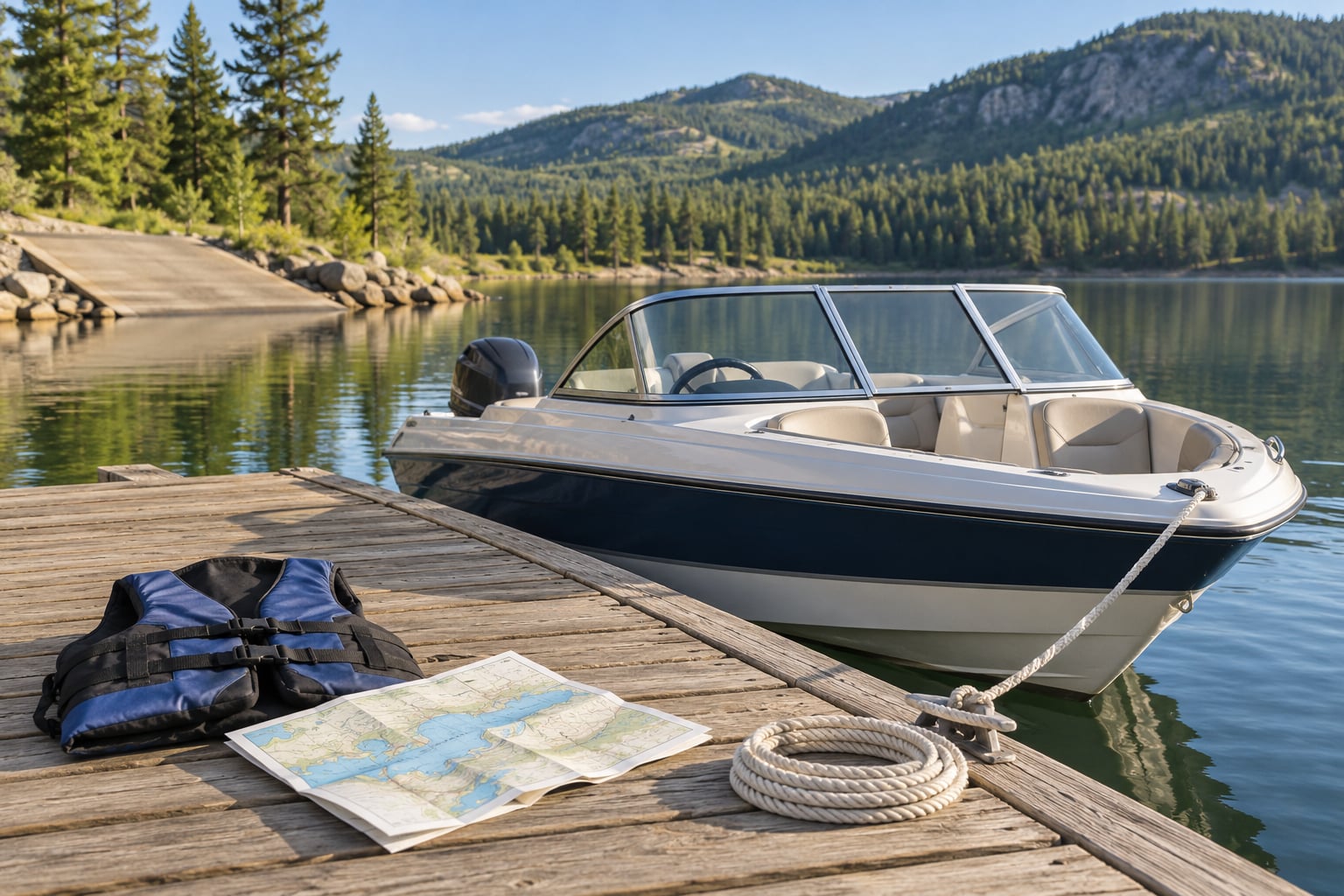
Show up with the practical things handled. Bring a government ID, water shoes, sunscreen, a hat, drinking water, snacks, a dry bag for phones, and a light waterproof layer, since lake wind drops the temperature fast in the afternoon. Leave the car keys somewhere safe, because keys in a wet pocket stop working.
At handover, walk the boat with the operator and check the safety gear yourself: one correctly sized life jacket per person, a throwable flotation device, a fire extinguisher, flares or a distress signal, navigation lights, horn or whistle, and a first aid kit. Confirm that every child has a life jacket that fits by weight, since adult vests are useless on a small child.
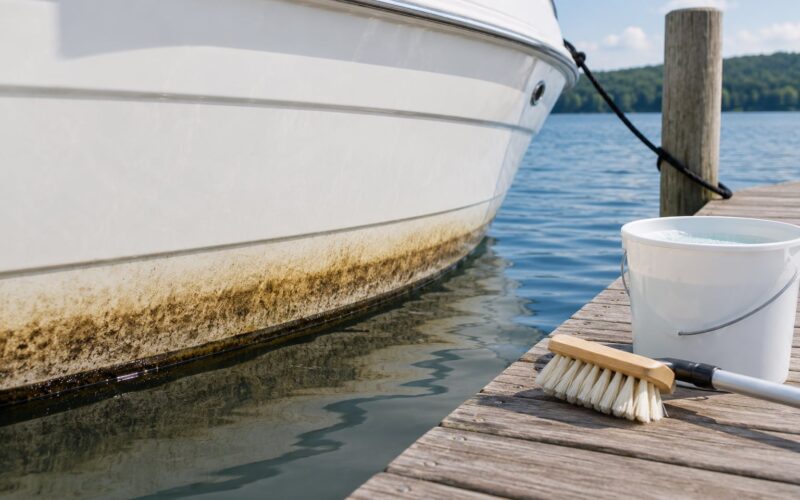
Photograph the hull, the deck, the seats, the windshield and the propeller before you start the engine, and note anything scuffed in the agreement. A short walk-around video of the whole boat takes ninety seconds and settles almost every damage dispute later. Ask a dock hand or the operator to help with the dock lines if you have never handled them before.
Common Mistakes First-Time Renters Make
Almost every avoidable problem on a rented boat traces back to one of these:
- Booking a boat that is too big. Fix: pick the smallest hull that legally carries your group. A small skiff is easier to dock, cheaper to fuel and far more forgiving in a crosswind.
- Ignoring the wind forecast. Fix: check wind speed and wave height the night before and again that morning. For beginners, single-digit winds are the sensible ceiling.
- Skipping the weather cancellation clause. Fix: read the cancellation terms before you pay, not after.
- Underestimating fuel use. Fix: ask for the burn rate at handover, plan a route with one or two stops rather than five, and keep the tank above half all day.
- Turning up without documents. Fix: photograph your ID and licence the night before so a lost wallet does not end the trip at the counter.
- Failing the handover. Fix: record existing damage on video and in the agreement before the engine starts.
- Assuming your own boating insurance covers the rental. Fix: check with your insurer in writing. Coverage on your own hull rarely transfers to a boat you rent, which leaves the damage waiver as your real protection.
- Returning late. Fix: note the return time in your phone and treat it as firm. Boats scheduled for the next renter cannot wait for you.
Two smaller habits pay off too. Plan your route around a no-wake zone before you go, and tell someone on shore where you are going and when you expect to be back.
Frequently Asked Questions
How much do boats cost to rent for a day?
Rates depend on boat type, water and season. Small skiffs and pontoons on inland lakes sit at the low end, while crewed yachts and large party boats in coastal or resort areas run much higher. Compare the full invoice: base rate, fuel, security deposit hold, damage waiver, cleaning fee, taxes and any captain fee.
What licenses do you need to rent or drive a boat?
Most US states require a boating safety course or licence only above a size or horsepower threshold, frequently 16 feet, and personal watercraft always need an operator’s permit. Rules differ in Florida, California, Texas and South Carolina, so check your state marine agency before booking. Many rental companies also run their own brief safety session at pickup.
How old do you have to be to rent a boat?
Most operators set 18 or 21 as the minimum age to sign a rental agreement, and some require you to be 21 or 25 for larger powerboats. If children are aboard, the rules usually call for a properly fitted life jacket for each one and a capable adult at the helm. Age minimums vary, so ask before you pay.
Can I rent a boat without a captain if I have never driven one?
Yes, plenty of small skiffs and pontoons rent bareboat, and many operators will pair a first-timer with an instructor for an extra hour. If you have never steered a boat at a dock, book a captained option for the first outing or practice in a calm, empty stretch of water. Confidence comes from repetition, not from a single long trip.
What should I bring on a rented boat?
Bring water, snacks, sunscreen, a hat, water shoes, a dry bag for phones and a light windproof layer. Wear sunglasses and grab handles rather than loose clothing. Life jackets, a throwable flotation device, a fire extinguisher, flares and a horn are normally supplied by the operator, so check them during the handover instead of packing your own.
What happens if I damage the boat I rented?
Stop the engine, secure the boat and call the operator or owner immediately, then send photos or video. Damage is usually charged against your security deposit up to the waiver deductible, and a second charge can follow after an inspection. Photographing pre-existing damage at handover is what makes the difference in these disputes, so record it before you start the engine.
Conclusion
The whole job of learning how to rent a boat for a day comes down to four things you settle before money changes hands: total cost, boat type, operator rules and launch details. Get two or three quotes in writing, read the fuel and damage waiver clauses, confirm who will be driving, and take a photo of every mark on the hull at pickup. That short checklist does more for a smooth day on the lake than any amount of last-minute planning at the dock.