Handling a toothy fish safely comes down to three habits: keep your fingers out of its mouth, control the head from behind rather than the jaw, and do as much as possible while the fish stays in the water. Control the fish from behind the head, remove the hook with long pliers or a dehooker instead of your hands, and get it back to the water within about a minute. Most of the anglers I have fished with learned this the same way, usually after a lesson from a pike or a muskie.
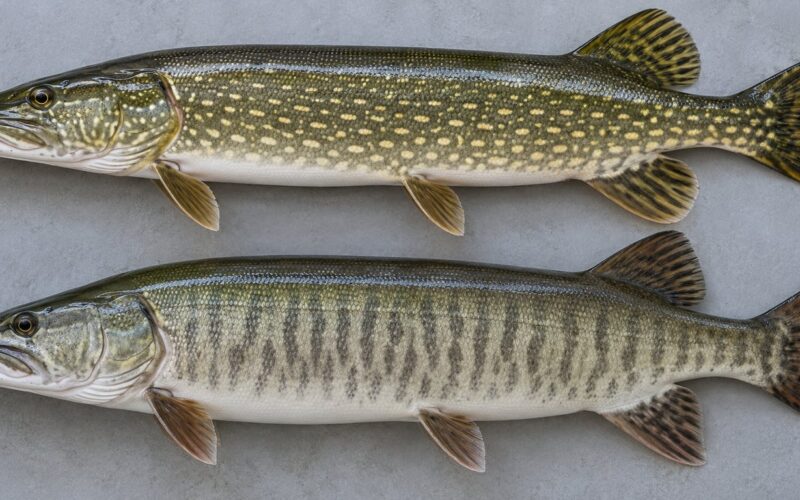
A toothy fish is any fish with sharp, replaceable teeth on the jaw, palate, or throat. That includes northern pike, muskie, pickerel, walleye, tarpon, snook, jack, and barracuda. Their teeth are not just a nuisance; a single sweep across a knuckle can open a deep puncture that is hard to clean and slow to heal.
The same care applies to the fish. Handling strips the protective slime coat, stresses a fish that was already exhausted from the fight, and shortens its odds of surviving. Updated for October 2026.
Table of Contents
- 1What You Need
- 2Long-handled pliers
- 3A dehooker or hook remover
- 4A fish control gripper or lip gripper
- 5Cut-resistant gloves
- 6A large unhooking mat or a wet towel
- 7Step-by-Step: How to Handle a Toothy Fish Safely
- 8Plan Before the Fish Is on the Line
- 9Keep a Controlled Distance While Landing
- 10Secure the Fish on a Wet Surface
- 11Remove the Hook Without a Bite
- 12Measure, Photograph, or Weigh with Minimal Restraint
- 13Release the Fish in the Water
- 14Common Mistakes
- 15Additional Tips for Anglers Handling Large Predatory Fish
- 16Frequently Asked Questions
- 17How do you unhook a toothy fish without getting bitten?
- 18Are gloves enough to handle a large predatory fish safely?
- 19How long can a fish safely stay out of the water?
- 20What should I do if a hook is deep in a fish’s mouth?
- 21Should I release a large northern pike or muskie?
- 22When does a fish bite or cut require medical attention?
- 23Conclusion: Put Safety and the Fish First
What You Need
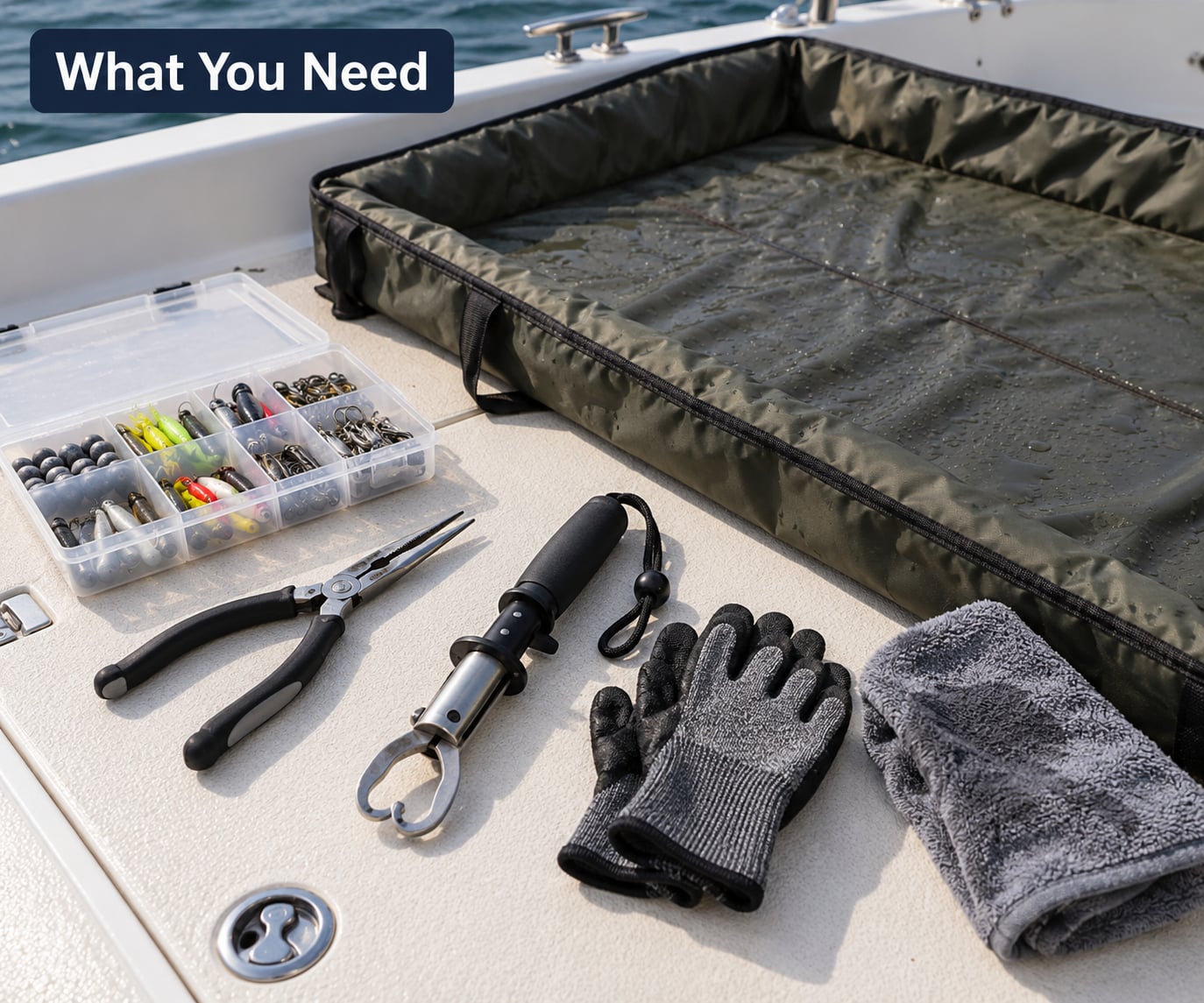
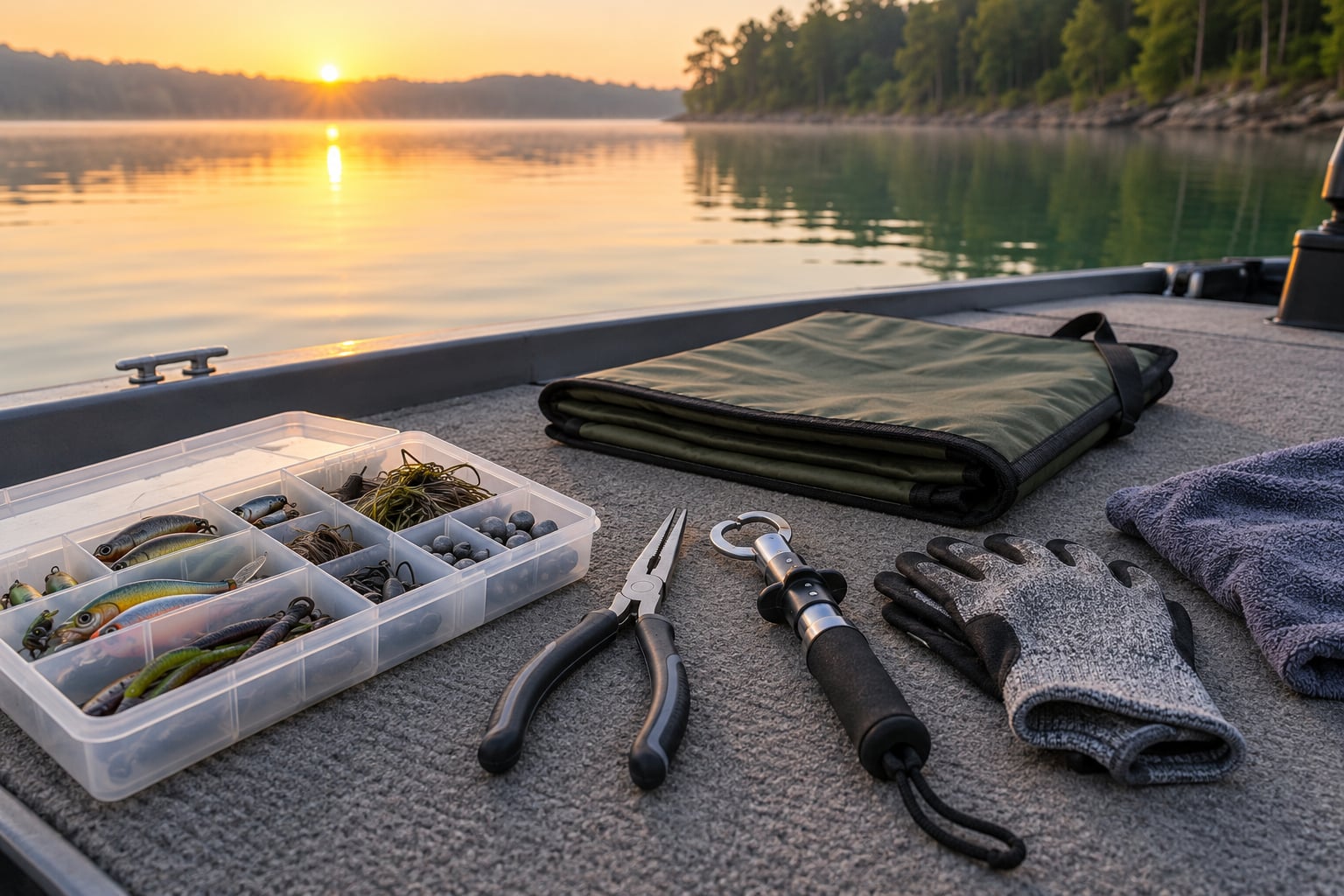
Most anglers already own enough gear to handle a toothy fish safely, but not all of it in one place. Here is the kit that makes the difference, and what each piece is actually for.
Long-handled pliers
Needle-nose pliers are the single most useful tool in this whole sequence. Reach for 7-inch pliers on freshwater species and 11-inch pliers on saltwater toothy fish, where the extra length keeps your knuckles well clear of the mouth. Pliers work on visible hooks, on hooks buried shallow in the cheek, and on line snagged in teeth.
A dehooker or hook remover
A dehooker is a short hollow tube you slide down the line and over the hook bend, then twist to turn the point free. It is faster and safer than pliers on a deeply hooked fish, and it is the tool that lets you unhook without ever reaching toward the head.
A fish control gripper or lip gripper
A self-locking gripper clamps onto the lower jaw and holds the fish one-handed without your fingers touching teeth or skin. Anglers on the BassResource boards have long recommended the lip grip specifically for toothy fish, and it doubles as a scale for weighing a live catch. Grippers wear out, so check the jaw pads and the lock before you rely on one.
Cut-resistant gloves
Fingerless or reinforced-finger gloves protect against gill plates, dorsal spines, and stray line, and they stop a slip from turning into a cut against a tooth. They are not bite protection, and I will come back to that in the FAQ.
A large unhooking mat or a wet towel
A wet mat gives a thrashing muskie something soft to land on instead of a fiberglass deck edge. The towel matters more than people think: a dry, cool surface destroys more slime coat than the few seconds of handling that follow.
Two more things help even though they are not tools. A hose or a bucket of lake water, for keeping the fish wet during a photo. And a pair of needle-nose pliers with a built-in line cutter, so you are not hunting for a second tool with a fish in one hand.
Step-by-Step: How to Handle a Toothy Fish Safely
The sequence below is the one I use, and it is the same whether you are in a boat, on the bank, or sitting in a kayak. Follow it in order and the risky parts of the job, reaching into a mouth and holding a fish in the air, mostly disappear.
Plan Before the Fish Is on the Line
Decide what happens to the fish before you land it. Check your local regulations first, because slot limits, size limits, and protected spawning areas differ by lake and change from season to season. If the fish stays in the water, clear your deck and decide where the fish will go before it is alongside.
Know the species you are targeting and what its teeth do. A pike has a ridge of teeth along the lower jaw you can slip a finger into, a walleye packs fine needle teeth in the roof of its mouth, and a tarpon carries a plate of jagged teeth on the floor of the mouth that closes like a nutcracker.
Give the fish every advantage before it is close. That means line and leader matched to the fish, a net or gripper already rigged where you can reach it with one hand, and gloves on before the fish is anywhere near the boat. If the fish is bigger than you can safely lift on your own, tell someone before it comes aboard.
Keep a Controlled Distance While Landing
Land a big toothy fish tired, not green. The safest handling of all is the handling that never happens, and a fish that is still full of fight when it reaches the boat is the fish most likely to lunge, thrash, and find your knee.
Shorten the fight where you can. A heavier rod and higher drag pull the fish in faster and tire it sooner, which is one of the best things you can do for it. Keep your rod tip low and pointed at the fish so it cannot throw the hook and get slack, and keep the line tight enough that a head shake does not create a loose wrap of line around the fish’s head.
Here is where online advice contradicts itself, so decide it once and stick with it. Do not net a toothy fish. Professional guide Tom Rowland is blunt about it: barracuda bite a hole right through a landing net, and pike do the same to the rubber mesh on a muskie net, which he has found out the hard way chasing world records. A fish that is contained in a net for even ten seconds has usually broken your control of it, and a broke pike next to your leg is a worse outcome than a fish you did not land.
Instead, guide the fish head first into the water beside you, or onto a wet mat if you are on a bank. Never lift it by the jaw to swing it aboard, and never let it swing into the hull, the console, or a net hoop. Bowfishing aside, there is no handling technique that is worth a cut hand.
Secure the Fish on a Wet Surface
To control a toothy fish, put one hand behind its head, gripping the bony area just past the gill plate, and put your other hand under the belly to support the body horizontally. That is the grip anglers describe on the BassResource forums as the one that really works on toothy fish. Support the fish the way you would carry a heavy fish, not the way you would carry a bass.
Never take hold of the lower jaw with your fingers. Pike, muskie, and pickerel have interlocking teeth along that ridge, and a fish that slips puts those teeth straight into the webbing between your fingers. A gripper is the safe version of the same idea, because its jaws do the holding instead of you.
Once the fish is settled, you can see the gills working and the head staying still. That is the signal it is safe to work on. If the head is still sweeping, wait. A thrashing fish on a wet mat is fine; a thrashing fish in your hands is not.
Keep the surface wet the whole time. Water keeps the gills from clotting shut and keeps the mucus layer intact, and both mean fewer problems for the fish after release.
Remove the Hook Without a Bite
Never reach into the mouth of a toothy fish with your fingers to feel for a hook. Removing a hook by feel is the single highest-risk moment in the whole sequence, and it is where nearly every avoidable angler injury happens.
Use a dehooker first. Slide it down the line and over the hook, twist, and let the hook fall free. For a hook you cannot see, run the dehooker down the line to the fish and feel for the hook bend rather than feeling for flesh. When the dehooker will not work, switch to pliers: for a fish in water, grip the line with one hand and use the long pliers in the other, and only clamp on the hook, never on the fish’s tissue.
Know when to stop. If the hook is set deep in the gills, deep in the throat, or on an angle where pulling risks the eye or the major blood vessels behind the gill plate, cut the leader as close to the fish as you can and release it. A released fish with a hook deep in its throat often feeds that hook out over the next few days. A fish hemorrhaging on your mat does not. Anglers argue about the depth where the risk tips from worth trying to cruel, and honestly, a fish bleeding heavily is the line.
Measure, Photograph, or Weigh with Minimal Restraint
Do the measuring and photographing with the fish horizontal, supported, and as close to the water as you can manage. Support the belly with one hand and the tail with the other, keep the spine level, and never dangle a fish vertically by the jaw. A heavy fish held vertically takes the weight of its own body through its internal organs and its spine, and a fish that size is not a decoration.
Weighing is where a gripper earns its place. Clamp it on the lower jaw, lift only enough to read the scale, and lower the fish straight back down. A fish sling works too: support the length of the body in the sling and lift the sling, not the fish.
For a quick length without a ruler, mark a spot on your rod blank with a piece of tape or a knot, note the point the fish’s nose reaches, then measure the fish against the marked rod afterward. Several boatside anglers measure with a short length of monofilament and then estimate weight from girth, which is the standard tournament trick for a live fish you do not want to lift.
Keep the whole thing short. Air exposure is the biggest thing you control. Keep the camera ready before the fish comes up, take the shot in one pass, and get it back in the water.
Release the Fish in the Water
Lower the fish into the water rather than dropping it from above. Support it horizontally under the belly and by the tail, keep its head facing into the current, and hold it there until it stops struggling and starts to hold itself.
A fish that is breathing but not moving is usually fine. It is recovering, not dying, and it needs quiet water and time rather than more handling. If you lifted it vertically and its spine is bent, do not try to straighten it; put it in the water and let it swim or sink out of sight.
A fish that cannot hold itself, cannot swim away on its own, or has bled heavily is not a release candidate. Decide honestly, and follow whatever your regulations say about keeping or disposing of a fish you intend not to release.
Common Mistakes
Almost every avoidable injury traces back to one of these.
- Lifting by the lower jaw. The single most common mistake, and the one beginners copy from bass fishing videos. On a toothy fish, the teeth point inward along that jaw and a slip puts them into your hand. Use a gripper or a hand behind the head.
- Bare hands near the mouth. Gloves do not stop a bite, but a wet hand or a glove-free hand is far more likely to slip off a slimy head and travel toward the teeth with it. Keep hands dry on the deck and wet for the fish.
- Letting the fish lie on a dry deck. It dries out, strips its slime coat, and often takes a hard bounce on the way to the water. Wet mat, short stay.
- Reaching for a hook that is not visible. Fingers inside a mouth hunting for a hook is where deep punctures come from. Use the dehooker, the long pliers, or cut the leader.
- Cutting the line without controlling the fish. If you cut, cut close to the fish so the line is not trailing around its head and gills, and make sure you know where the fish is before the line parts.
- Releasing without checking. Watch the fish swim away. If it tips over, barely moves, or drops to the bottom, it may need more time in a water-filled net or a quiet spot before you leave it.
Additional Tips for Anglers Handling Large Predatory Fish
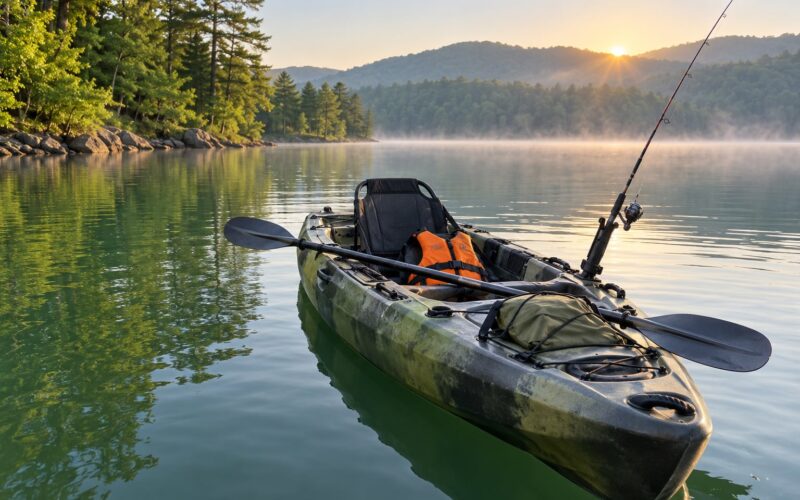
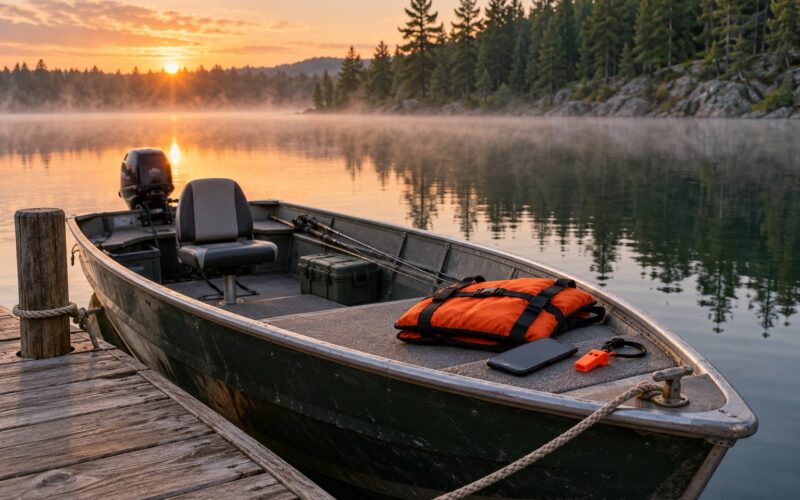
Boat position matters more than any gadget. Sit or kneel so the fish comes to you rather than swinging over your knees, and keep the deck clear of loose lines and tackle before the fish is on. In a kayak there is no deck and no room, so net the fish onto the forward deck, never onto the water beside your leg, and paddle clear of it if you have to reposition.
On the tackle side, the only rule that matters for handling is visibility. Longer leaders, wire, and heavier line make it easier to see where the line runs, which means fewer blind reaches into a mouth. Barbed or barbless is worth thinking about here too: barbless hooks are easier to remove and leave less damage, and for fish you intend to release that is a straight trade.
Watch the water temperature and the weather, because they change how a fish behaves. Fish handled in cold water are more forgiving than fish landed in hot, low water, and a hooked fish in the middle of a hot calm afternoon fights and recovers worse. When in doubt, work faster and get it back down.
Finally, treat a bite as a real injury rather than a badge. Wash the wound with clean running water and soap, apply direct pressure if it keeps bleeding, and cover it with a clean dressing. Puncture wounds from teeth carry a real infection risk because they close on the surface quickly and dirt gets pushed in. Seek medical care the same day for a deep puncture, a cut over a joint, numbness, a wound you cannot clean, any bite that breaks the skin near the eye, or any sign of infection such as spreading redness, swelling, red streaks, or fever. Tetanus boosters matter too if you are not current. Do not fish the wound open, and do not wave off a bite because it barely broke the skin.
Frequently Asked Questions
How do you unhook a toothy fish without getting bitten?
Keep your fingers out of the mouth entirely. Grip the fish with one hand behind the head and the other under the belly, or clamp a lip gripper on the lower jaw, then slide a dehooker down the line over the hook and twist it free. If the hook is buried, use 7-inch pliers for freshwater or 11-inch pliers for saltwater. If the hook is deep in the gills or throat, cut the leader close and release the fish rather than reaching in after it.
Are gloves enough to handle a large predatory fish safely?
No. Gloves protect against gill plates, dorsal spines, and line burns, and they help you hold a slimy fish, but they do not stop teeth. A cut-resistant glove with reinforced fingers or a fingerless design is the right compromise. The real protection is keeping your hands out of the mouth, controlling the head from behind, and using long pliers or a dehooker for the hook.
How long can a fish safely stay out of the water?
Less time is better, and aim to keep it under a minute if you can. Most of the damage is done before the fish leaves the water, so keep it wet, support it horizontally, and take the photo in one pass. In cold water a healthy fish tolerates a short lift easily; in hot water a fish that is already tired is in much more trouble. If the fish is being weighed for a record, do it fast and lower it straight back down.
What should I do if a hook is deep in a fish’s mouth?
Do not reach in with your fingers. Run a dehooker down the line to the hook, or use long pliers while gripping the line with your other hand, and only clamp the hook. If the hook sits deep in the gills, deep in the throat, or behind the eye, stop trying. Cut the leader as close to the fish as you can and release it; many fish push the hook out on their own within days. Cut the line if the fish is bleeding heavily rather than pushing your luck.
Should I release a large northern pike or muskie?
In most waters, releasing a large northern pike or muskie is the better choice. Fish that size are rare, grow slowly, and are disproportionately valuable to a lake, and a big one is usually a breeder. Check your local rules first, since regulations on slot limits, protected water, and record fish differ by lake. If you keep one, treat it quickly and cleanly, and remember the rule that makes learning how to handle a toothy fish safely useful either way: never lift it by the lower jaw.
When does a fish bite or cut require medical attention?
Get help the same day for a deep puncture, a cut over a joint, numbness, a wound you cannot clean properly, or any bite that breaks skin near the eye. Watch for infection too: spreading redness, swelling, red streaks, pus, or fever means you need a doctor, not a rinse at the lake. Wash with clean running water and soap, cover it, and make sure your tetanus booster is current. Untreated tooth punctures are one of the more common ways an angler ends an afternoon early.
Conclusion: Put Safety and the Fish First
To handle a toothy fish safely, the whole method comes down to control and distance. Take the fish tired, never net a toothy species, control the head from behind with the belly supported, keep the surface wet, and do every job you can from behind long pliers and a dehooker rather than with your fingers.
Stay in the water as long as possible, support the fish horizontally, and let it swim away on its own before you pull the rod. That sequence protects your hands, and it gives the fish a real chance to live.