If you are reading this with itchy skin and no sink nearby, here is the short version: get away from the plants, wash the exposed skin as soon as you can with whatever clean water and soap you have, strip anything that touched the ivy, and then cool the rash while you watch it. Urushiol, the oily resin behind poison ivy, poison oak and poison sumac, binds to the outer layer of skin within roughly 30 minutes, and washing inside that window is the single thing that changes the outcome.
Everything after that is comfort management, because the reaction itself runs its own clock. This is general outdoor first-aid information, not medical advice. For anything severe, or anything you are unsure about, call a pharmacist, a clinician or your state poison control line.
Table of Contents
- 1What You Need
- 2Step-by-Step
- 31. Get Away From the Plant and Protect Yourself
- 42. Wash Exposed Skin as Soon as Possible
- 53. Remove Contaminated Clothing and Gear
- 64. Soothe and Protect Irritated Skin
- 75. Watch the Rash and Know When to Get Help
- 8Common Mistakes
- 9Frequently Asked Questions
- 10Can I wash poison ivy oil off my skin in the field?
- 11How long after exposure does a poison ivy rash appear?
- 12Should I pop poison ivy blisters?
- 13How should I clean clothing, shoes, and tools after exposure?
- 14When is a poison ivy rash a medical emergency?
- 15Can my dog bring poison ivy oil home?
What You Need
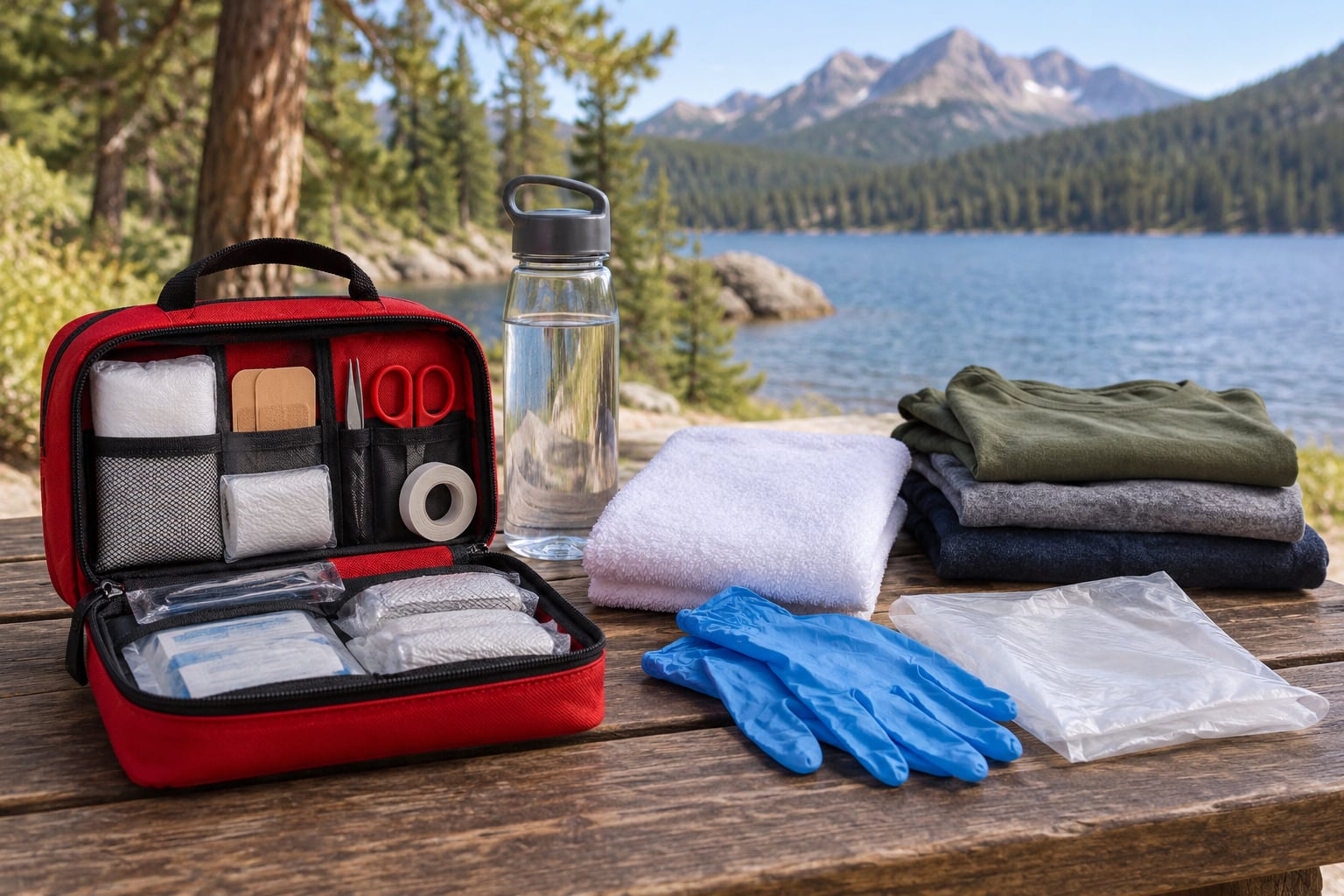
Field treatment works when the supplies are already on hand. Scrambling to find them is what turns an annoyance into a two-week problem.
- Clean water. A bottle, a bladder, or the nearest stream or lake edge. Any of them beats nothing.
- Soap. Regular hand soap, unscented body wash, or dish soap diluted with water. Soap is what lifts the oil off skin; water alone leaves most of it behind.
- A washcloth or clean bandana for one person at a time. Sharing one spreads the oil.
- Disposable towels or a spare shirt for patting skin dry without rubbing.
- Gloves, ideally nitrile or rubber dish gloves, so you handle contaminated fabric without using your bare hands.
- Plastic bags for sealing anything you cannot wash tonight.
- A dry change of clothes, including socks and shoes if the ones you wore are suspect.
- A first-aid kit with cool compress material, an oral antihistamine you already use, and any over-the-counter skin product you are comfortable applying. Follow the label, and ask a pharmacist before you apply something new to broken skin.
Step-by-Step
1. Get Away From the Plant and Protect Yourself
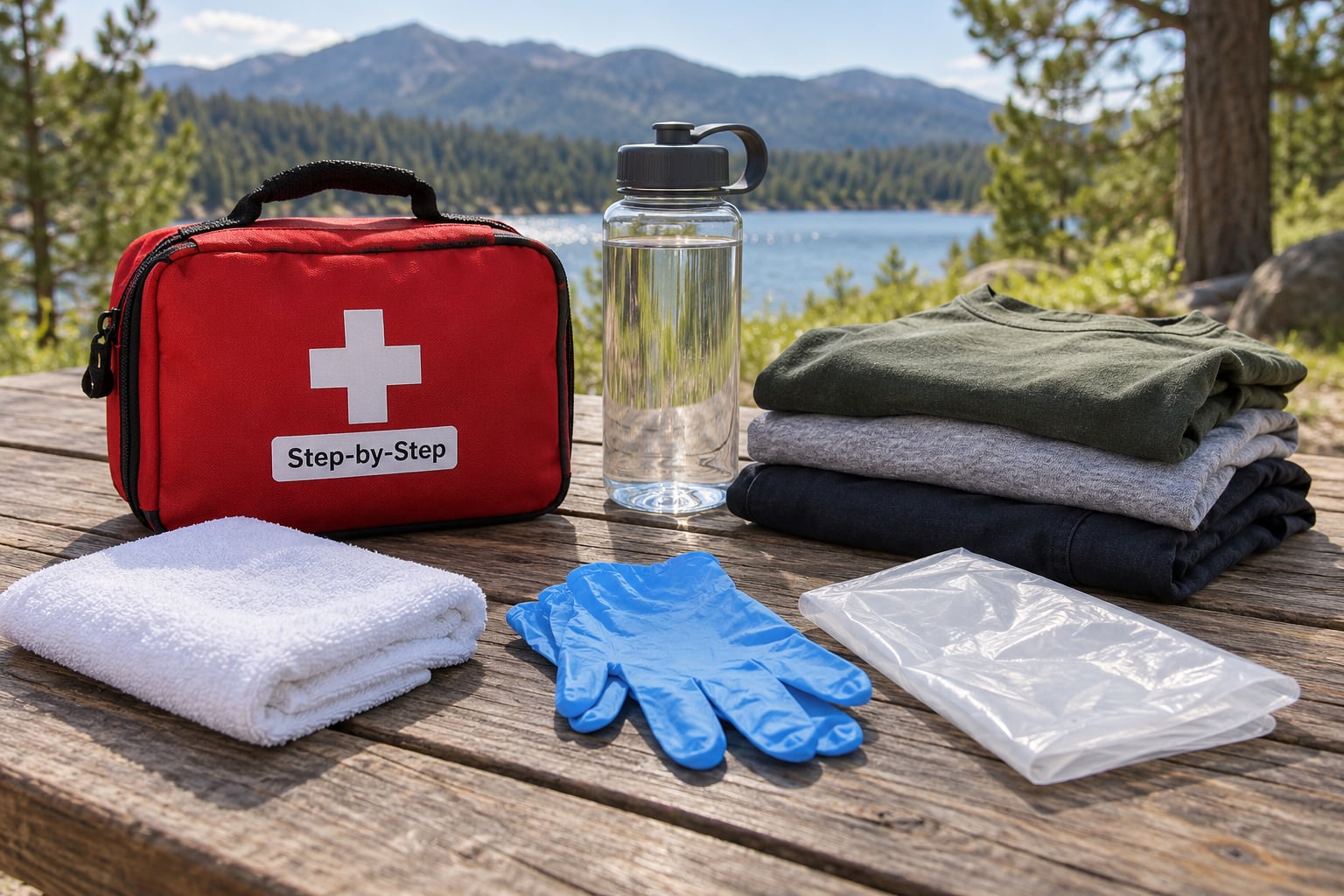
Move out of the patch and stop touching it. Poison ivy grows along lake edges, fence lines, trail shoulders and old tree lines, and it grows as ground cover or as a vine climbing a trunk, which is how it reaches chest height.
Keep your hands away from the rash until you have washed, and keep other people away too. Ask a campmate to hand you the water bottle instead of passing it hand to hand while you are still oily.
2. Wash Exposed Skin as Soon as Possible
Rinse the affected skin with cool water, then wash it gently with soap. Cool, not hot, and not a hard scrub. Pay attention to the specific spots you know touched the plant: hands, forearms, ankles, the back of your knees, and anywhere your clothing brushed while you walked past.
Timing matters more than technique. Urushiol starts bonding to skin within about half an hour, and after that ordinary soap will no longer lift it off. Washing quickly and thoroughly is the part that reduces the reaction. Washing slowly with a stiff brush is the part that irritates you while you do it.
With no running water, a filled water bottle works. So does a lake or stream, as long as the water is reasonably clean and you are not standing in it. If you truly have nothing but a wet wipe, use it, and then wash properly as soon as you reach a sink.
3. Remove Contaminated Clothing and Gear
Take off socks, shoes, gaiters, long sleeves and anything else that could carry the oil, and bag it separately. Urushiol is sticky and it clings to fabric and leather, which is why people get a rash weeks later from a boot they never cleaned.
Handle the gear with gloves. Wipe down your boots, poles and pack with dish soap or rubbing alcohol on a rag, and wash your hands and forearms afterward before you touch the tent, the truck interior or your dog.
If you packed a plastic bag, double-bag the clothing inside it and keep it away from clean gear. Washing clothes on a normal warm cycle with detergent is usually enough; running the dryer hot afterward helps break down what remains.
4. Soothe and Protect Irritated Skin
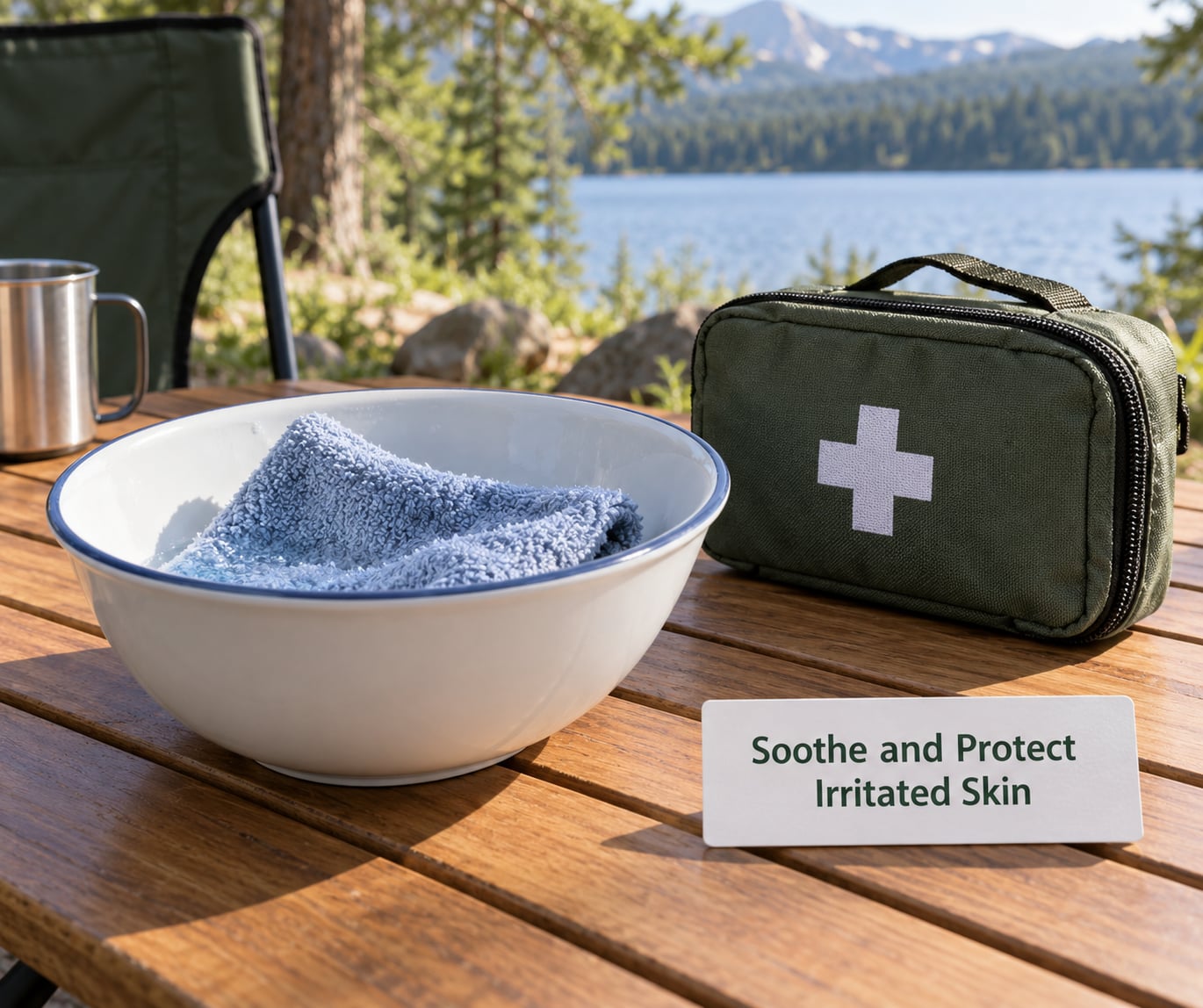
This is where learning how to treat a poison ivy rash in the field actually earns its keep, because relief is what gets you through the next two weeks.
Apply a cool, damp compress for 20 to 30 minutes at a time. Cool, not freezing. Ice directly on skin causes its own irritation, so wrap it in cloth and keep sessions short.
Pat on calamine lotion and let it air dry rather than rubbing it in, which is the single most common tip from people who manage this in the woods. If you already use an over-the-counter product such as a hydrocortisone cream or a medicated wash, use it exactly as its label directs.
An oral antihistamine you have used before can take the edge off the itch, particularly at night. It may also make you drowsy, so do not combine it with anything else that makes you sleepy. If you are asleep on a pad in the backcountry, check with a pharmacist or a clinician about what you can safely take.
A colloidal oatmeal bath helps when you are back somewhere with a tub. Cover-up clothing, clean nails and cool surroundings do more good than people expect. Try not to scratch; that is how skin gets infected.
5. Watch the Rash and Know When to Get Help
Rash from poison ivy, oak or sumac usually shows up one to two days after exposure, often as itchy red streaks where leaves or stems dragged across skin. It can spread, blister, ooze and then dry and flake over two to three weeks. Most treatment reduces how bad it feels, not how long it lasts.
Seek urgent care if the rash covers a large area, involves your face, eyes or mouth, or blisters heavily. Get emergency help for trouble breathing or swallowing, which can happen if the plant is burned and the smoke is inhaled.
Call a clinician for spreading redness, warmth, pus, fever, or red streaks running from the rash. Those are signs of infection, not the ivy itself. Widespread rash or facial involvement also warrants a clinic visit, because those cases often need prescription treatment. Call your state poison control line if you are not sure where you fall.
A rash is not contagious. Blister fluid will not spread it, and scratching does not move it around. What does spread it is leftover oil on your hands, your gear or your pet.
Common Mistakes
- Scratching. It feels like relief and it damages the skin barrier, which is how bacterial infection gets in. Short nails and a cold compress help more than willpower.
- Hot water and hard scrubbing. Heat opens your pores and makes itching worse afterward, and a stiff brush damages skin that is already reacting.
- Washing only where the rash is. The rash appears one to two days late. Wash the areas that touched the plant, even if they look fine.
- Ignoring boots, tools and the dog. This is the cause of recurring outbreaks in the same spot, year after year. Wipe the gear down and wash the pet before the pet climbs into the tent.
- Unknown home remedies. Bleach, kerosene, charcoal and undiluted dish soap on skin can burn you. Jewelweed has a real folk following as a preventative, but its effectiveness is contested, so treat it as folklore rather than treatment.
- Waiting too long on worsening symptoms. If things are spreading, blistering heavily or landing near your eyes, stop treating it at camp and go in.
Preventing the next one is easier than treating this one. Wear long pants and closed shoes on lake edges and in the woods, wash clothes after every outing, and rinse the dog off after any walk through low brush.
Frequently Asked Questions
Can I wash poison ivy oil off my skin in the field?
Yes, and speed matters more than soap quality. Rinse with cool water from a bottle, stream or lake edge, then wash gently with soap. Urushiol starts bonding to skin within roughly 30 minutes, so the sooner you wash, the better the result. Avoid hot water and stiff brushes, which irritate skin that is already reacting. Wash the areas that touched the plant, not just where the rash eventually appears.
How long after exposure does a poison ivy rash appear?
Usually one to two days, though it can show up sooner or later depending on how much oil landed and how sensitive you are. It often looks like itchy red streaks and blisters where leaves brushed your skin as you moved. That delay is why people wash hours later and assume they are in the clear. Washing well inside the first half hour still matters even if nothing is visible yet.
Should I pop poison ivy blisters?
No. Blisters are the rash itself, and popping them opens skin for infection without removing anything useful. Cover large ones loosely with a clean dressing to stop clothing from rubbing. A cool compress for 20 to 30 minutes at a time takes the edge off. If blisters are weeping, spreading redness appears, or you run a fever, see a clinician rather than treating it yourself.
How should I clean clothing, shoes, and tools after exposure?
Handle everything with gloves, and bag contaminated clothing separately so it does not touch clean gear. Wipe boots, poles and packs with dish soap or rubbing alcohol on a rag, then wash your own hands. Washing clothing on a warm cycle with detergent is usually enough, and a hot dryer run afterward helps break down what remains. Sealed in a bag for the night is fine if you cannot wash yet.
When is a poison ivy rash a medical emergency?
Trouble breathing or swallowing is the emergency, and it can follow inhaling smoke from burning poison ivy. Get care the same day if the rash covers a large area, reaches your face, eyes or mouth, or blisters heavily, since those cases often need prescription treatment. Spreading redness, warmth, pus or fever point to infection. Call your state poison control line whenever you are unsure.
Can my dog bring poison ivy oil home?
Yes. Urushiol sticks to fur and gear, and a dog that ran through ivy can re-expose you every time it climbs into the tent or onto the boat seats. That loop is the usual reason people get repeat rashes in the same places. Rinse the dog off, wash any blankets or towels it used, and wipe down anything it leaned against before you touch it with bare hands.
The first thing to do is not a remedy. It is water, soap and a bag for your clothes, used inside the first half hour. Everything after that is comfort care, and if the rash lands near your eyes, spreads wide or starts showing signs of infection, stop treating it at camp and go see someone.