Most snake encounters near water happen because someone stepped on a snake or reached into a place they could not see into, not because the snake was looking for people. Learning how to avoid snake encounters near water is mostly about looking before you move, keeping your hands out of cover, and giving any snake you do spot a wide, quiet exit. Can a snake bite you while swimming? Yes, it happens, but rarely: bites usually follow handling, cornering, or a surprise contact, not an attack on a person who left the snake alone.
I want to be straight about the risk before the tips. Encounters at lakes, rivers, and boat ramps are genuinely uncommon, and most of the snakes people meet there are non-venomous water snakes or harmless garter snakes going about their business. Anglers on r/kayakfishing and campers on r/canoecamping describe water snake sightings as routine background noise, and experienced members on r/snakes are consistent on one point: snakes do not chase people, and nearly every bite traces back to handling or cornering.
The rest of this guide is written for people who swim, wade, fish, paddle, camp, or keep a dog around lakes and rivers. Start at the gear list if you are heading out this weekend, or jump to the step-by-step if you already know what you are carrying.
Table of Contents
- 1What You Need Before You Go
- 2Step-by-Step: How to Avoid Snake Encounters Near Water
- 31. Check local snake information and water conditions before you leave
- 42. Inspect the shoreline, boat launch, and campsite before you step in
- 53. Wear clothing and gear that reduce your exposure
- 64. Move slowly through the high-risk shoreline zones
- 75. Clear out the places where snake encounters near water usually start
- 86. Respond calmly if a snake is nearby
- 9Common Mistakes Anglers Make Near the Water
- 10Frequently Asked Questions
- 11Are snakes more common near lakes and rivers?
- 12What should I do if I see a snake while fishing?
- 13Can I prevent snake bites by wearing specific footwear?
- 14What should I do after a snake bite occurs?
- 15How can I keep children and pets safer around water?
- 16Do venomous snakes usually attack people without being provoked?
- 17What To Do First on Your Next Trip
What You Need Before You Go
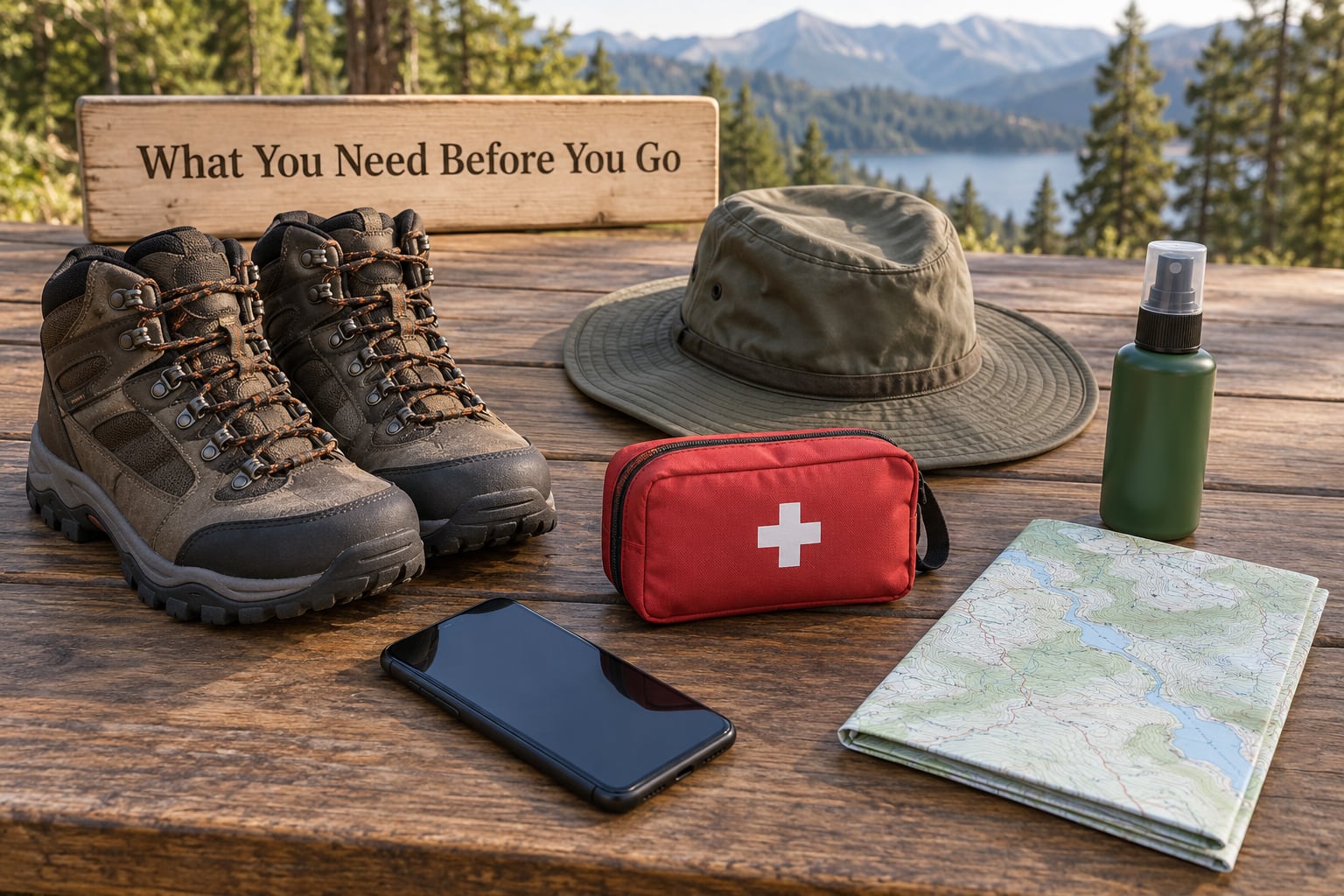
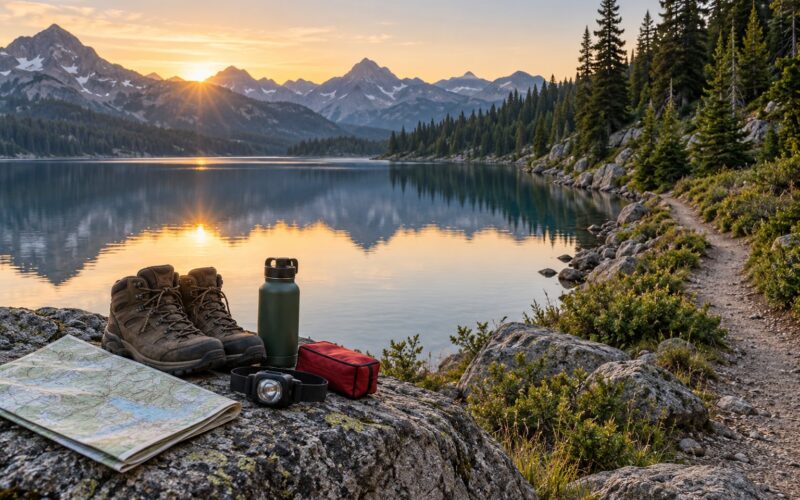
None of this is snake-proof equipment, because nothing you can wear is. The gear simply buys you time and distance, and time and distance are what actually prevent bites. Bring these six things and you have covered the majority of avoidable contact points.
- Closed-toe footwear. Water shoes with a closed toe, or boots, beat sandals and bare feet on a ramp or a rocky shoreline. Leather or synthetic boots give the best protection on brushy banks.
- Gaiters or snake guards. These stop a strike from reaching bare skin on the shin and ankle, which is where most defensive bites land.
- A pole, paddle, or boat hook. On shore, a trekking pole parts grass ahead of your feet. On the water, a paddle is the same tool in a different form.
- A flashlight or headlamp. Activity peaks around dusk, and you cannot avoid what you cannot see. A headlamp keeps both hands free.
- A charged phone in a waterproof pouch, plus a whistle. You want a way to call for help from a ramp or a shoreline with no signal, and a whistle works when a phone does not.
- A first-aid kit in the boat or daypack. Basic dressings, gloves, and a cold pack. It is not snake-specific gear, and it is not a substitute for emergency care.
Add one non-gear item that matters more than any of the above: a rough idea of which venomous species are actually plausible where you are going. State wildlife agencies publish species maps and seasonal activity notes, and the answer varies enormously by region. Most Northeast and upper Midwest lakes have no venomous water snake at all, while parts of the South and lower Midwest do.
Step-by-Step: How to Avoid Snake Encounters Near Water
Work through these in order. The first three happen before you get anywhere near the water, and they are the ones that do the most work.
1. Check local snake information and water conditions before you leave
Spend five minutes on your state wildlife agency site, the park or lake authority page, and the forecast. You are looking for three things: which venomous species occur in the county, whether any alerts are posted, and how warm and wet the last week has been.
Warm temperatures and rain pull snakes out of their winter shelters and into places where people step on them. Drought does the opposite, concentrating remaining water and the prey that follows it around shrinking shorelines and stock tanks. If water levels are dropping, expect more activity along the receding edge rather than in the deeper water.
You will know this step worked when you can name the two or three species actually in play for your destination, or confirm that none of them are. That single fact changes how the rest of the day feels.
2. Inspect the shoreline, boat launch, and campsite before you step in
Stand still at the top of the ramp or the trail head and look before you move. Scan the grass line, the bases of trees, driftwood, rock piles, dock pilings, and the shaded side of anything large. Snakes use these edges because they sit between open ground and cover, and that boundary is exactly where your feet land.
Check a campsite the same way before pitching the tent. Look inside an open tent before putting a hand or a head in, because that is a warm dark pocket a snake may have claimed. Look in the cooler, the tackle box, and the boat bag before reaching in, and check the livewell and the bilge of a boat before you climb aboard. Anglers report these contacts often enough that it is worth treating as routine, not alarming.
This works when you have walked the length of the area you plan to use without having to step over or around something you did not see. If you cannot see the ground, you cannot claim to have checked it.
3. Wear clothing and gear that reduce your exposure
Long pants over closed-toe boots, gaiters over the top, and a bright outer layer if you are working around a boat ramp at dusk. High visibility helps other people, but it also helps you spot a dark shape against light grass sooner, which is the part that matters.
Keep your hands free for balance rather than carrying a heavy bag of gear in front of your body at the water’s edge. Tuck loose straps and dangling laces where they cannot swing into a rock crevice or a woodpile.
Protect the leg, not the myth. Boots and gaiters do not stop a snake from striking, they reduce the chance that a defensive strike reaches skin, and they make you far less likely to flinch and put a hand somewhere unsafe. Treat them as a layer of protection, not a guarantee.
4. Move slowly through the high-risk shoreline zones
The dangerous ground is predictable: tall grass, wet meadow, cattails, dense brush, the seam between a mowed lawn and unmapped growth, rocky outcrops, and any gap between rocks or under a fallen log. Cross these slowly, watching where you place each foot, and use your pole to push vegetation ahead of you.
Stand rather than sit on rocks and logs at the water’s edge, and keep a hand’s width of space between yourself and any crevice you cannot see into. In moving water, step on rocks rather than mud, and do not put a hand down to steady yourself in an undercut bank.
You will know it worked when the whole crossing took a minute longer than it needed to. Speed is the single biggest risk multiplier in most of the stories anglers tell.
5. Clear out the places where snake encounters near water usually start
At a private dock or lake house, most snake activity traces to cover you have accumulated: stacked firewood, a brush pile, a coiled hose, a broken pallet, a pile of riprap with gaps, and shrubs pressed against the deck. Moving those away from the immediate water’s edge, or keeping them on a hard surface with clear space around them, does more than any product you can buy.
At a public ramp, the same logic applies to what you bring. Open the livewell, the anchor locker, and the cooler outside the boat rather than reaching into a dark cavity with your hand. Keep bait buckets lidded and off the deck edge, because a bucket of minnows will draw a snake to the boat faster than anything else you own.
For swim areas, the fix is visibility. Clear the shallow sight lines, remove debris near the entry point, and check the swim ladder before anyone uses it. If a snake is found inside a designated swim area, report it to the lake authority or park staff rather than handling it yourself. That is their job, with the equipment and the permits.
For the shoreline itself, be honest about the trade-off. A mowed strip along the water reduces cover, and cover is what snakes use. A natural buffer strip of grasses and shrubs filters runoff and is what most lake associations want along a shoreline, and it also gives snakes a corridor to cross. Ask your lake authority before widening or mowing any part of the buffer, and keep the mowed or crushed-rock band narrow and close to structures, not the whole bank.
6. Respond calmly if a snake is nearby
Stop moving. Do not run toward it, do not run away at a sprint, and do not try to step over it with a long stride that could land you on the other side. Most snakes leave on their own within seconds if you stop creating pressure.
Back away slowly in the direction you came from, keep your body between the snake and anyone with you, and give it a clear route to leave. Do not corner it against a boat hull, a rock, or a bank, because a cornered snake is the one that strikes. Do not poke it with a pole, do not grab it, and do not try to relocate it into a bucket. Experienced members on r/snakes are unambiguous that almost every defensive bite began with someone deciding to handle a snake that was not asking to be handled.
From a boat or kayak, the retreat is easy and you should take it. Move steadily away, keep the paddle in the water for balance and a wide berth, and let the motor or paddle noise do the work. Water snakes will not follow a moving boat, and paddlers on forums.paddling.com repeatedly confirm that the fastest way to end a close encounter is simply to leave.
Keep children close and dogs leashed, and let the snake go first. It is not your move to make.
Common Mistakes Anglers Make Near the Water
Every one of these shows up in forum threads, and most of them turn a non-event into an emergency. The fix is usually simpler than the mistake.
- Reaching into a space you have not looked into. Rodent holes, crevices in riprap, under boat seats, inside a livewell. Look first with a light, then use a hand rather than your arm.
- Assuming every snake in the water is a cottonmouth. Most are not. A harmless water snake floats with only its head and a thin line of body at the surface, while a cottonmouth’s heavier body rides higher and creates a wider wake. That single difference is more useful than any head-shape rule, and it is also the reason people panic unnecessarily. If you cannot tell, treat it as venomous and give it distance, but do not kill it.
- Walking through tall shore grass with your head down on your phone. This is how most step-on bites actually happen. Put the phone away before the grass gets tall.
- Wearing sandals or going barefoot at a ramp. A closed-toe water shoe is the cheapest protection available and it is already in a tackle box somewhere.
- Believing repellents, scents, or essential oils work. Chemical and natural repellents, mothballs, sulfur, and citronella have not been shown to deter snakes reliably, and some of them are harmful to pets, to water quality, and to the snake. You do not need a purchase to fix this, you need a slower step and a wider berth. There is also no scent that keeps snakes away from a shoreline, so any product promising one is selling you false confidence.
- Thinking a rattlesnake will chase you if you run. Snakes do not chase people. What does happen is that a startled person in open ground trips, lands a hand, and steps on something. Moving away quickly is fine. Tripping is the actual danger.
- Blowing a snake out of a boat, or poking one with a gaff. It is unlawful in some places, it injures the snake, and it is how people get bitten on the boat they were trying to protect.
- Handling a bite the wrong way. After a bite, call emergency services or get to a hospital as fast as you safely can. Keep the person calm and still, keep the bitten limb still and below heart level, remove rings and tight items, and do not cut, suck, tourniquet, apply ice, or try to capture the snake. CDC guidance is clear that antivenom is the treatment that matters, and every minute of delay costs. Do not drive yourself if there is any chance you can be the one behind the wheel.
- Letting a dog run loose along the bank. Dogs get bitten far more often than people because they investigate, bark, and corner. A leash is the single most effective safety tool for pets at the water.
Frequently Asked Questions
Are snakes more common near lakes and rivers?
Snakes are not more common at water because water attracts them specifically to people, but they are common near water because it delivers what they need: fish, frogs, insects, cover along the bank, and reliable hydration. Densest activity sits at the edge where open ground meets cover, such as the grass line, cattails, rock piles, and the bases of dock pilings. Most of the snakes you will actually see there are non-venomous. Encounters are infrequent, and almost all of them begin with a person stepping on a snake or reaching into cover.
What should I do if I see a snake while fishing?
Stop casting and stop talking, then look at the snake before you move. If it is swimming or crossing open ground, it is almost certainly leaving and you should let it finish. Back away slowly the way you came, keep the rod tip pointed away, and move the boat or your footing at a normal pace rather than a scramble. Never hook it, gaff it, or pin it with your landing net. If the snake is inside the boat, stay in the boat and let it find its own way out.
Can I prevent snake bites by wearing specific footwear?
Boots and gaiters reduce your risk, but nothing you wear stops a snake from striking. Their value is narrower and still worth it. Closed-toe water shoes or boots and gaiters over the shin reduce the chance that a defensive strike reaches skin, and they make you less likely to flinch and put a hand somewhere unsafe. Common field guidance also suggests that snake guards need to be over long pants rather than bare skin. Treat footwear as one layer in a plan built around looking where you step.
What should I do after a snake bite occurs?
Call emergency services right away or get to a hospital as quickly as you can safely travel, because antivenom is the treatment that matters and delay is what causes lasting harm. While waiting, keep the person calm and as still as possible, keep the bitten limb still and below heart level, and remove rings, watches, and tight clothing near the wound. Do not cut the wound, do not try to suck out venom, do not apply a tourniquet, ice, or electric shock, and do not try to catch the snake. Follow CDC guidance and the advice of the treating medical team.
How can I keep children and pets safer around water?
Keep children within arm’s reach at the shoreline, the dock, and the boat ramp, and tell them plainly that they should never reach into rocks, brush, or any hole in the ground. Choose a clear entry point for swimming and check the swim ladder and the water in front of it first. Keep dogs leashed near the bank, because an off-leash dog that barks or chases is the most common way a pet gets bitten. If a snake appears, put the child and the dog behind you and back away rather than trying to move the animal past it.
Do venomous snakes usually attack people without being provoked?
No. Nearly all snake bites involving people result from handling, cornering, or stepping on a snake rather than an unprovoked attack. Cottonmouths and other pit vipers are generally sluggish and prefer to avoid people, and experienced members on forums consistently report that snakes retreat when given space. The behavior to understand is defensive, not aggressive: a snake that is trapped, restrained, or stepped on will strike to defend itself. The prevention strategy follows directly, which is why moving slowly and giving an escape route matters more than any piece of gear.
What To Do First on Your Next Trip
Check your state wildlife agency page for the species in your county, then pack closed-toe shoes and a flashlight. At the ramp or the trail head, stop and look at the grass line before your first step, and take the slow route through anything tall. If a snake shows up, stop moving and let it go first, because that single habit prevents more bites than any product ever will.