The fastest way to sleep better in a tent is to fix the ground, the insulation and the hour before you climb in. Most restless nights trace back to a cold pad, a damp bag or a body that went to bed wired and chilly, and all three are cheap to solve.
I have spent more nights than I care to admit staring at a wet rainfly at 2 a.m., and the fix was almost never new gear. It was pitching higher ground, opening the vents, and doing ten jumping jacks before zipping up. This guide walks through the whole routine, from picking a campsite to the things you do at 4 a.m. when condensation soaks your quilt.
If you camp at lakes, in the backcountry or on a family trip, the sleep side of the trip is the part people plan last and regret first. Budget about 20 minutes of extra setup and a slower wind-down, and the difference shows up on day two of the trip, when everyone is still enjoying themselves.
Table of Contents
- 1What You Need
- 2Step-by-Step: How to Sleep Better in a Tent
- 3Choose a Comfortable Campsite
- 4Set Up the Tent for Airflow and Stability
- 5Build a Comfortable Sleep System
- 6Prepare Your Body for Bed
- 7Stay Comfortable Through the Night
- 8Common Mistakes
- 9Frequently Asked Questions
- 10How do I stay warm while sleeping in a tent?
- 11Why does my tent get so cold at night?
- 12How can I prevent condensation inside my tent?
- 13What is the best way to make sleeping in a tent more comfortable?
- 14How can I sleep in a tent without back or hip pain?
- 15How do I stay cool while sleeping in a hot tent?
- 16Conclusion
What You Need
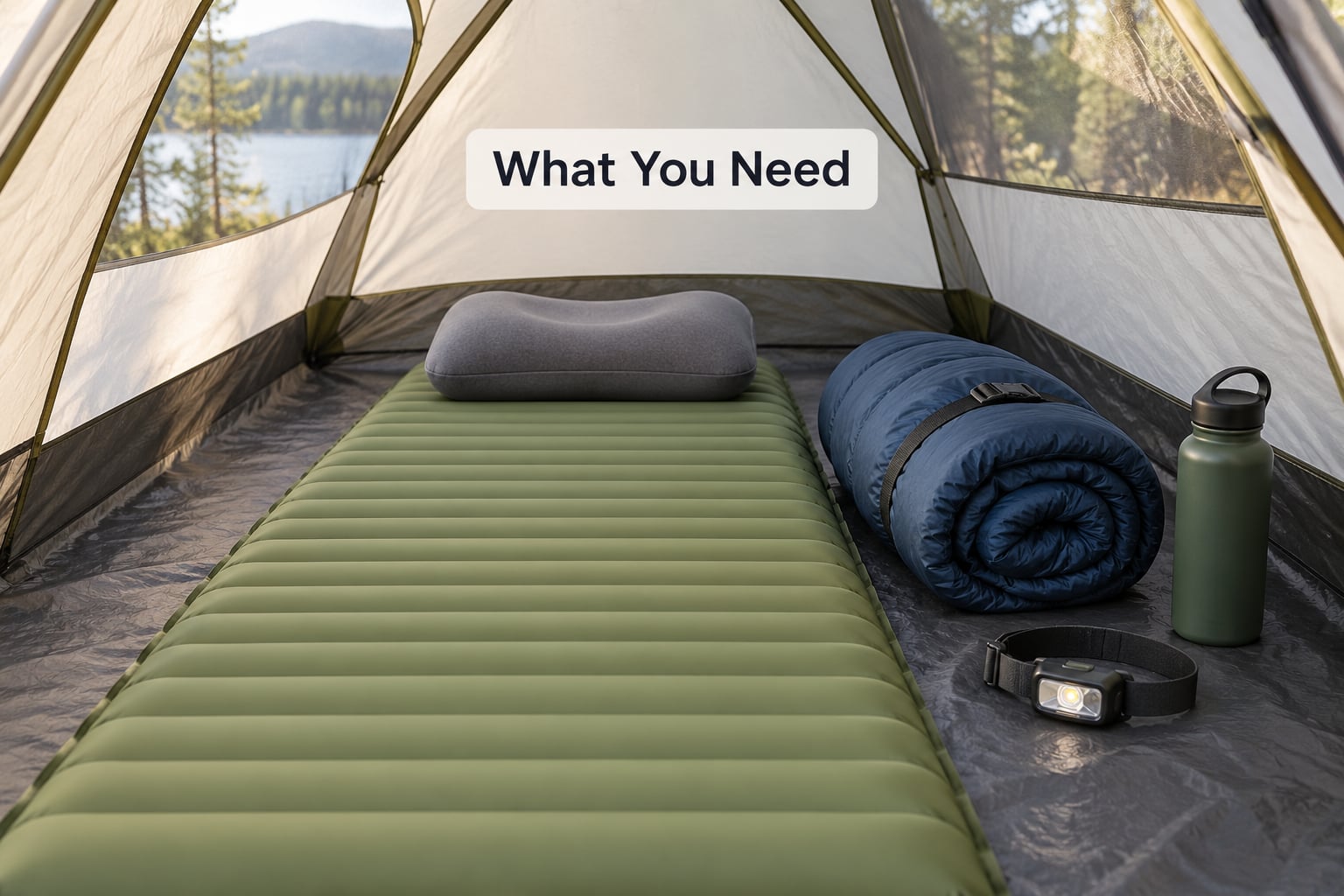
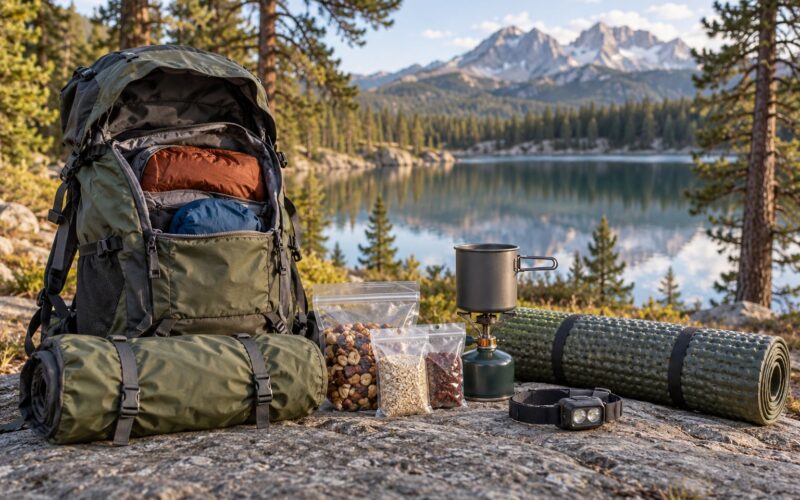
You do not need a shopping list a mile long. A good tent night comes down to five things, and most of them are cheap or already in your garage.
- A sleeping bag or quilt rated for the night you expect. Check the EN or ISO comfort rating, not the limit and not the extreme rating. A bag rated to 5 C that you sleep comfortably at 10 C leaves you cold; most beginners underequal by about 5 degrees. Mummy bags are warmest per gram, rectangular bags are roomier, and quilts are easiest to vent when you run hot.
- An insulated pad. R-value measures how well it blocks cold ground, and cold ground is what actually steals your heat at night. Roughly R 2 to 3 covers warm summer ground, R 3 to 4.5 handles most three-season trips, and R 5 or higher is what you want once frost or snow is possible. Side sleepers need a wider and thicker pad, because a thin pad pushes your shoulder and hip straight into the ground.
- Something for your head. A foam camp pillow costs very little, and an inflatable one packs smaller. Anything that stops your neck from arching is worth having.
- A tent that breathes. Vents at the top and near the floor, mesh panels, and a fly you can prop open make a real difference. Tent ventilation is free cooling, and it is also how you manage condensation.
- A few small things. A headlamp with a low red mode, a water bottle filled with warm water, a dry base layer to sleep in, earplugs, and a sleep mask. Pack food and scented items well away from your head, and hang a small bottle of water inside for the middle-of-the-night trip.
A closed-cell foam pad under an inflatable pad is the cheapest comfort upgrade I know. It adds insulation, stops you sliding on the inflatable, and it cannot pop.
Step-by-Step: How to Sleep Better in a Tent
Choose a Comfortable Campsite
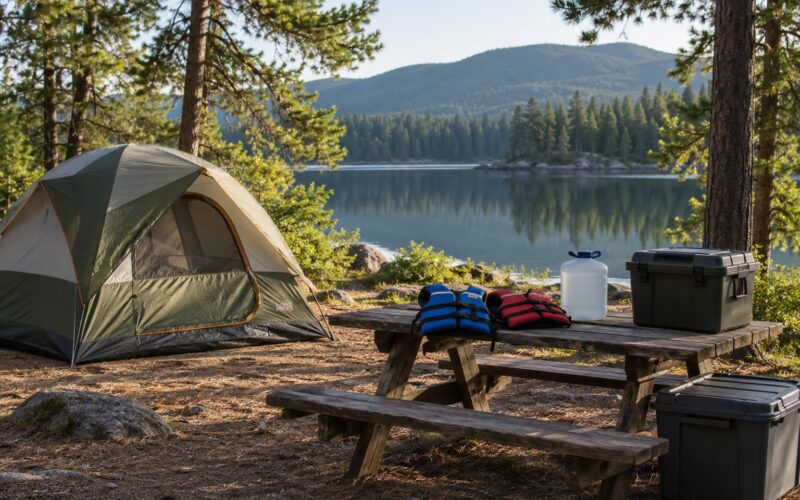
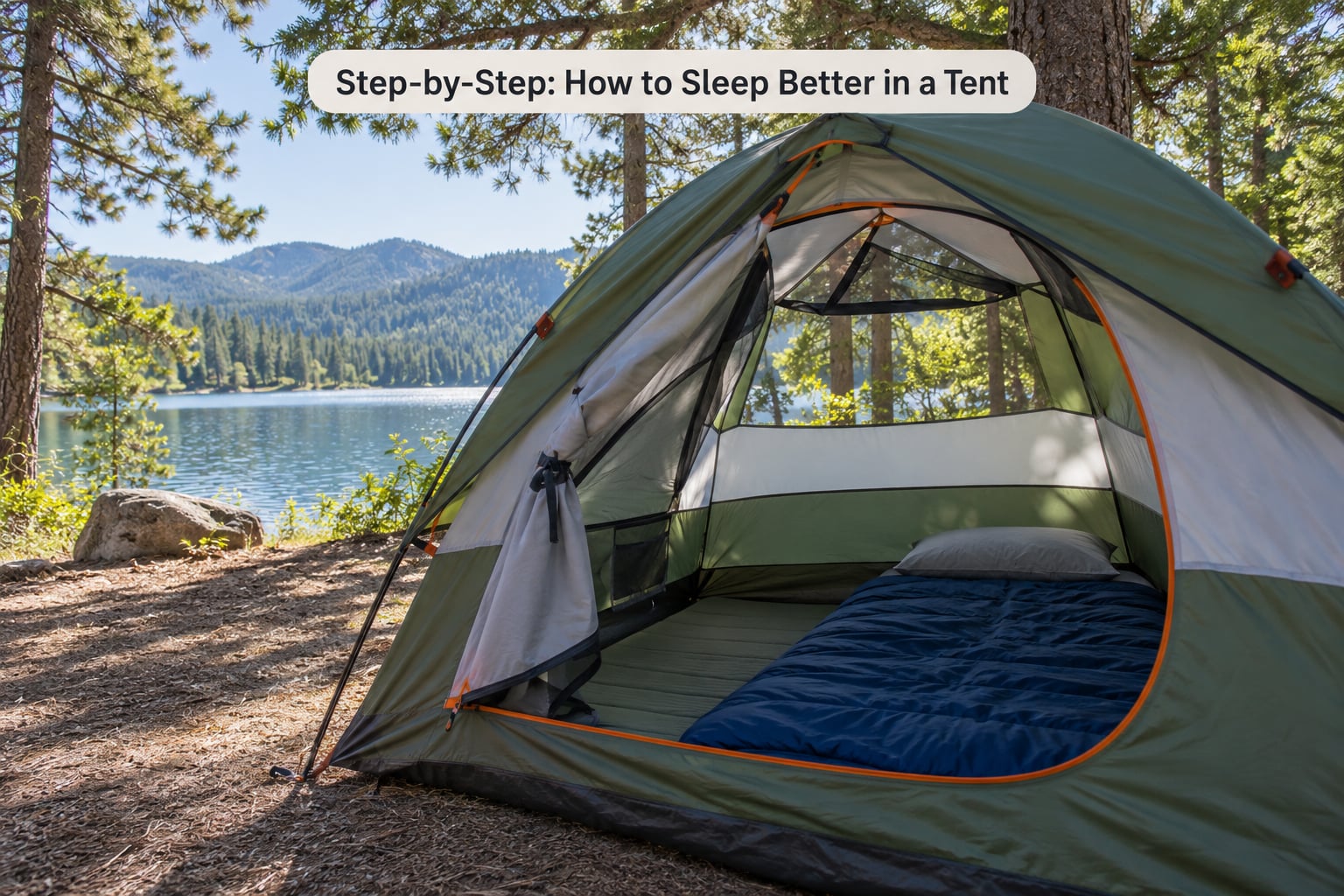
Your site does more for your sleep than any accessory. Look for flat, well-drained ground that sits slightly above the lowest point around it, since water pools in dips and soaks a tent floor from underneath overnight.
Walk the site before you unpack. Press down on the ground with your heel and look for soft spots, big rocks and root balls. A spot under a rock overhang feels sheltered but collects cold air, and an open lakeside site gives you wind and bugs from one direction all night.
Shade matters in summer, since a tent that baked all afternoon will still be warm at midnight. Windbreak on the windward side is useful in fall. Give yourself some distance from generators, fire rings and busy walkways, because noise is the sleeper killer that gear cannot solve.
Set Up the Tent for Airflow and Stability
Pitch the door or a window away from the prevailing wind, stake every guyline, and put a footprint or ground cloth under the floor. Most condensation happens when warm moist air touches a cold tent surface, and a footprint lifts the floor off wet ground so it dries faster in the morning.
Open the vents before you go to sleep rather than when you start overheating. A closed tent with a body in it becomes a humid box. Leave the low vents cracked and the fly slightly propped, and keep that fabric away from your face so you get airflow without a cold draft across your nose.
If rain is coming, tension the fly properly rather than pulling it tight for looks. A well-pitched tent sheds water and stays drier, which matters because wet insulation does not insulate. Check that the walls are not touching your pad, since contact points conduct cold straight in.
Build a Comfortable Sleep System
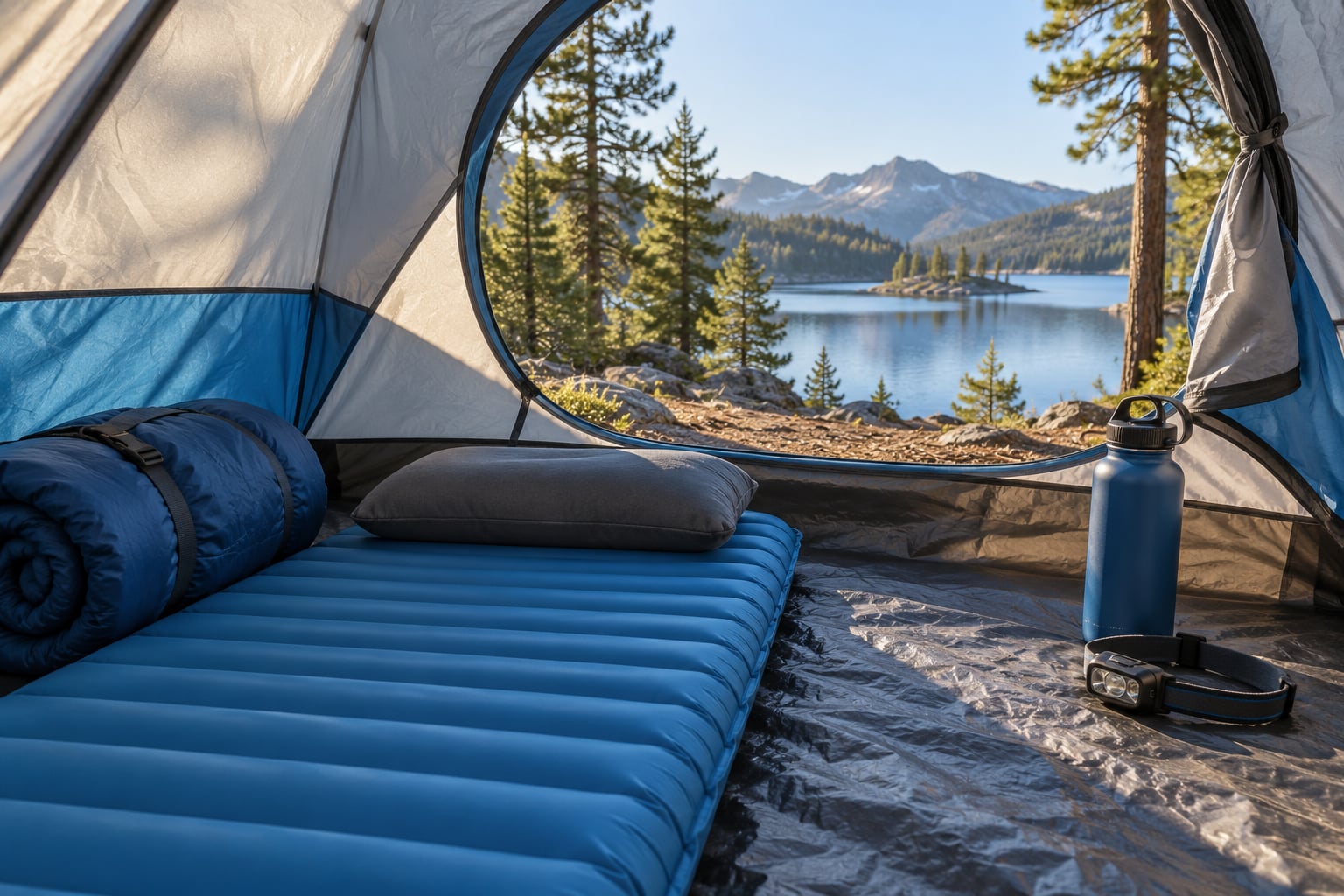
The whole system works as one thing: the pad blocks cold coming up, the bag or quilt holds the heat your body makes, and the pillow stops your neck from taking over the night. When one piece fails, you feel it everywhere.
Get warm before you get in. Fill a wide-mouth bottle or a soft flask with hot water and tuck it near your feet, since your core is warmer than your extremities and warming your feet pulls heat toward your middle. Wear a dry, long-sleeve base layer to bed, and change out of anything damp from the day, because wet cotton against your skin feels about ten degrees colder than it is.
If you sleep hot, quilts beat mummy bags. You can push the quilt to your feet, and top sheets pull off in seconds when you need to dump heat. Side sleepers do best with a wide pad, an offset pillow or a contoured one, and a bag with more footbox room than they think they need.
Prepare Your Body for Bed
The hour before you zip up matters as much as the gear. Eat your dinner early, because a heavy meal two hours before bed can keep you awake, and stop caffeine six hours out, since it stays in your system far longer than most people think. A small carb-heavy snack works better than nothing if you are genuinely hungry.
Drink enough during the day but taper in the last hour, then finish with a real bathroom stop before you climb in so you are not making a cold trip at midnight. Then move your body: jumping jacks, a short walk, anything that raises your temperature, because the drop afterward is what lulls you off.
Dim the lights early. Your body clock reads light levels, and a phone screen or a bright headlamp at the tent door pushes your melatonin back, which is a big part of why the first night feels so late. Put the phone on charge outside the tent if you can manage it, and use the headlamp on its lowest setting.
Stay Comfortable Through the Night
Temperatures usually bottom out in the two hours before dawn, so most of the shivering complaints happen well after you fell asleep. That is when the pad, the bag hood and a layer of insulation between you and the floor matter most. Burrowing into the hood is worth the effort for anyone who sleeps cold.
Condensation shows up when warm damp breath meets cold fabric, so it collects on the inside surface of the fly, on sleeping bag seams and on your own pillow. Open the vents a little wider, hang wet socks outside, and keep the loft in your bag uncompressed so it can dry. Never store a bag damp in a stuff sack for a week, because mildew smell is hard to remove.
If you wake thrashing, deal with the immediate cause in order: too hot, too cold, something touching your back, insects, noise. Strip a layer, add a layer, reposition, check the zipper. When you do need to get up, put on shoes, take the water bottle and the headlamp, and step out of the tent rather than shining the light into your own face on the way.
Common Mistakes
Most bad tent nights are one of these eight, and each has a quick fix.
- Sitting on the bare ground to make the bed. Your body heat soaks into the ground all evening and you arrive at bedtime already cold. Build the system before you relax.
- Undersized pad. If your feet hang off, you are cold all night and your hips press into the ground. Pad width is comfort, not just capacity.
- Sleeping in the clothes you hiked in. Sweat wicks heat away and dries slowly. Change into something dry and warm.
- Leaving the vents shut. A sealed tent with a person inside traps moisture and heat. Vent early.
- No wind protection on the windward side. A tent wall in the wind stays cold and noisy for hours. Set up on the lee side of something solid.
- Food and scented toiletries in the tent. Bears, mice and skunks will find them, and they keep you awake long before they keep you hungry.
- Going to bed immediately after a long drive. Your body is still in travel mode. A walk and a warm drink reset things faster than lying down and waiting.
- Expecting night one to feel normal. The first night effect is real. An unfamiliar bed, noise and light all raise alertness, and the second night usually goes better because the place is no longer new.
Two habits fix most of the rest. Bring your sleep setup indoors or into the car on hot nights so you have an escape, and if you are a light sleeper, use both earplugs and a mask from the start rather than after three nights of bad rest.
Frequently Asked Questions
How do I stay warm while sleeping in a tent?
Most of the cold comes from the ground, not the air, so start with the pad and match its R-value to the coldest ground you expect. Add a dry base layer, zip the bag up to the neck, use the hood, and warm your feet with a hot water bottle before you climb in. Move your body briefly before bed so you enter the bag already warm.
Why does my tent get so cold at night?
Fabric does not insulate on its own, so once the sun goes down a tent loses heat to the sky and the ground draws heat out from underneath you. Precipitation makes it worse, because wet fabric loses a large share of its ability to hold warmth. A well-staked fly and a ground cloth under the floor keep more of your own heat inside where it belongs.
How can I prevent condensation inside my tent?
Condensation forms when warm moist air from your breathing touches cold tent fabric. Vent early, leave the low vents cracked all night, keep gear outside the tent so it dries, and use a breathable pillowcase rather than plastic. Store your sleeping bag loose and dry, never compressed in a stuff sack for days on end.
What is the best way to make sleeping in a tent more comfortable?
A three-piece system does most of the work: an insulated pad sized to your body, a bag or quilt with an honest comfort rating, and a pillow that keeps your neck neutral. Everything else is refinement. A dry campsite, a floor footprint, a warm pre-bed routine and one change of dry sleep clothes together add up to more than any single gadget.
How can I sleep in a tent without back or hip pain?
The pressure comes from the pad, so thicken and widen it. Side sleepers benefit most from a pad around 25 inches wide and 2.5 inches thick, plus a pillow that fills the gap between shoulder and ear. Add a foam pad underneath an inflatable one for extra support, and if you are car camping, a cot solves the problem entirely.
How do I stay cool while sleeping in a hot tent?
Vent before you are hot, and give the tent shade during the day. Wear a thin, loose base layer so sweat can evaporate, unroll a bag or use a quilt you can push to your feet, and sleep with your feet outside the bag. In dry heat, wetting your forearms and skin with water before bed helps a lot; in humidity it does almost nothing.
Conclusion
Start with four things on your next trip: pick flat, well-drained ground above the low spot, bring a pad whose R-value matches the season, put on a dry base layer before you get in, and open the tent vents an hour before bed. Those four cover most of what separates a good night from a bad one.
Everything else, the warm water bottle, the pillow upgrade, the earplugs and mask, the jump before climbing in, is small and cheap. Set up your sleep system while you still have daylight and energy, because doing it in the dark at 10 p.m. is where comfortable nights go to die.