Yes, you can filter lake water to make it drinkable, but only with the right equipment and in the right order: pre-filter out sand, silt and algae, run the water through a microfilter with a 0.1 micron absolute pore size to strain out parasites like giardia and bacteria, then purify it to kill viruses, which are too small for most filter pores to catch.
Lake water is not the same problem as creek water. A lake holds still, warms up in the sun, and collects everything that drains into it from the surrounding watershed, which is why a shallow shoreline draw on a big clear lake can be riskier than a fast backcountry stream.
The whole process takes about ten minutes per gallon of good water with a gravity or pump system. I have found that most problems on the lake come from skipping a step rather than from bad gear, so this guide walks through the process in order and ends with the situations where you should walk away from the water entirely.
Nothing here is medical advice. When a local health department or park service issues an advisory about a specific lake, that advisory wins over anything written below.
Table of Contents
- 1What You Need
- 2Step-by-Step: How to Filter Lake Water for Drinking
- 31. Choose the safest available source
- 42. Decide whether you need a filter or a purifier
- 53. Set up and check the equipment
- 64. Collect and filter the water
- 75. Disinfect the water when the device does not do it
- 86. Store and handle treated water safely
- 97. Know when the water is not worth drinking
- 10Common Mistakes
- 11Frequently Asked Questions
- 12Can you filter lake water to make it drinkable?
- 13Can a Brita or pitcher filter make lake water safe to drink?
- 14Do I need a filter or a purifier for lake water?
- 15How long should I boil lake water before drinking it?
- 16Why does my water filter get so slow on lake water?
- 17Do water filters remove algae and harmful algal bloom toxins?
- 18Conclusion
What You Need
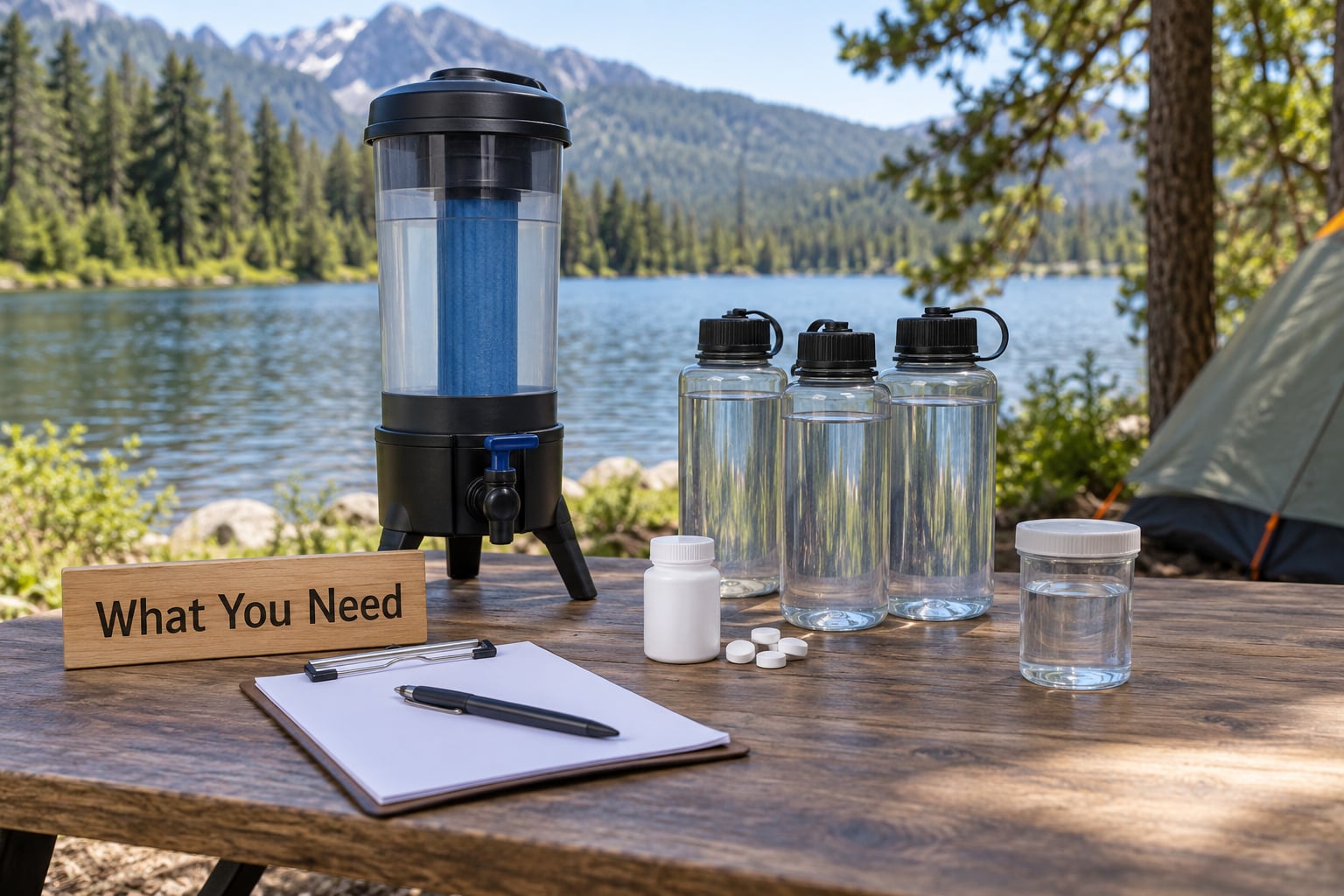
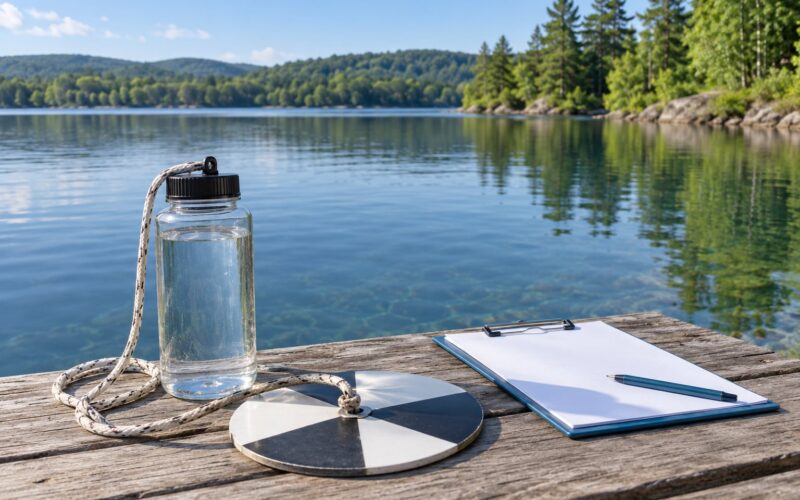
Most of what you need is small, and one item on this list matters more than all the others combined: knowing where the water is coming from.
- Source information. Any posted advisories for the lake, the river or storm drain feeding it, and the position of your camp relative to those inflows. Ten minutes of reading before you launch beats an afternoon of filtering.
- A microfilter or purifier. A hollow-fiber element rated at 0.1 micron absolute handles giardia, cryptosporidium and bacteria. If you are paddling with young kids, near sewage outflows, or in a region with human waste concerns, buy a purifier instead.
- A backup purification method that fails differently. Chlorine dioxide tablets or unscented household bleach. A second filter of the same brand helps if the first one is slow; a chemical treatment helps if the element is cracked, frozen or simply not trusted.
- Containers with separate roles. A collapsible dirty bag or lidded bucket for lake water, and clean bottles or a bladder for treated water. Label them. Everyone mixes them up eventually.
- Sanitation supplies. A bandana or cloth for prefiltering, a brush for the threads of bottles, hand sanitizer, and a small amount of unscented bleach in a sealed container.
- Paperwork. A waterproof note of the collection date and time, the treatment used and the dose. Undocumented treated water gets held too long.
One more thing worth packing: a spoon. Coffee filters, bandanas and even a sock have all been used as a prefilter in a pinch, and having one on hand keeps debris out of the element.
Step-by-Step: How to Filter Lake Water for Drinking
1. Choose the safest available source
You are choosing a source, not just finding water. Follow the hierarchy: moving water over still water, mid-lake over shoreline, and open water over anything covered in algae.
National Park Service backcountry guidance for lakes and standing water is to take the intake from 10 to 20 feet below the surface and well above the bottom. That depth sits below the surface scum and UV exposure zone and above the sediment cloud along the lake bed, which is exactly where you do not want an intake.
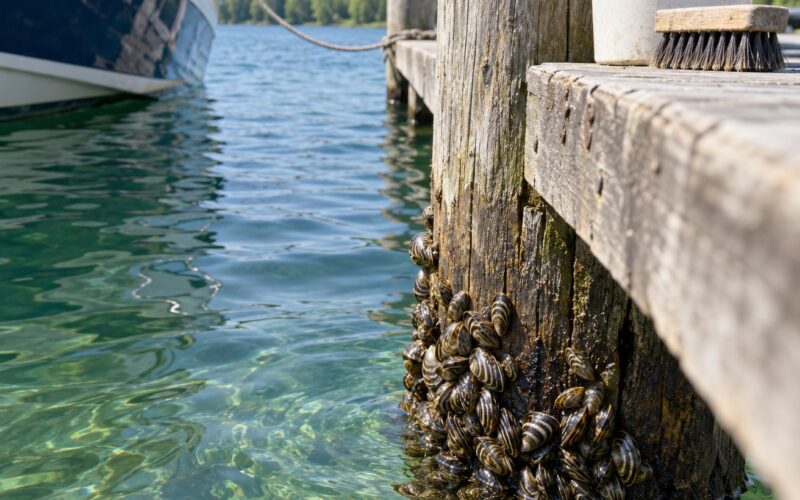
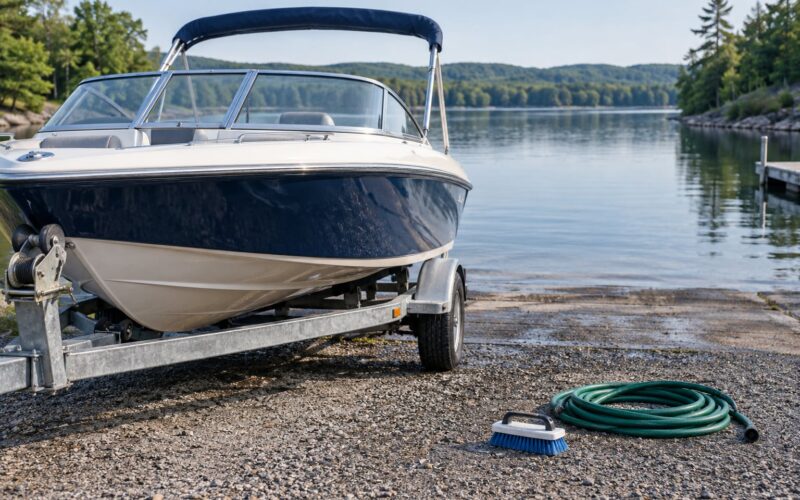
Walk the shoreline before you fill anything and note what drains into the bay: a boat ramp, a beach, a campground, a storm drain, a farm field, a beaver dam, a loon nesting raft. Avoid collecting within a few hundred yards downstream of any of those.
Then look at the water itself. Water that is visibly green, has a surface film, smells sweet or musty, or has a rotten-egg odor is telling you something about nutrient levels or dissolved metals. Clear is not the same as clean, and it never has been.
2. Decide whether you need a filter or a purifier
This is the single most misunderstood pair of terms in water treatment, and getting it backwards is the mistake that ends trips badly.
A filter works by physically straining particles out of water through a membrane with a stated absolute pore size. At 0.1 micron absolute it removes protozoa such as giardia and cryptosporidium and the great majority of bacteria. It does not reliably remove viruses, which are roughly 0.02 to 0.03 microns across and slip through.
A purifier does everything a filter does and adds a disinfection stage, typically chlorine dioxide or UV, so viruses die too. Purifiers cost more weight and more money, and many run slower.
For most adult paddlers on backcountry lakes, a 0.1 micron filter plus a chemical backup covers the realistic risk. For children, for anyone immunocompromised, for water near communities without sewerage, and for international travel, use a purifier and stop debating it.
| Method | Removes | Does not remove | Typical pace |
|---|---|---|---|
| 0.1 micron microfilter | Giardia, cryptosporidium, bacteria, sediment | Viruses, most chemicals, cyanotoxins | Slow, about 10 minutes per gallon by gravity |
| Purifier | Protozoa, bacteria, viruses, sediment | Most chemicals, cyanotoxins | Slower than a filter for the same volume |
| Chlorine dioxide | Bacteria, viruses, protozoa | Sediment, most chemicals, cloudiness | 30 minutes wait after dosing |
| Unscented household bleach | Bacteria, viruses, protozoa | Sediment, most chemicals, cloudiness | 30 minutes wait after dosing |
| UV light | Bacteria, protozoa, viruses | Anything suspended in the water; no effect on turbidity | About a minute per liter |
| Rolling boil | Bacteria, viruses, protozoa | Chemicals, fuel, heavy metals, cyanotoxins | Slowest, and you still have to cool it |
On a canoe trip, the BWCA gear forum thread on water filters makes the fuel-versus-filter point plainly: paddlers report running a small canister stove for two weeks on a single medium fuel canister while boiling, and describe hot water after a day of paddling as anything but refreshing. Several said filtered water went faster than boiled water once you counted cooling time, and carbon stages came up repeatedly as the reason filtered lake water tastes better.
3. Set up and check the equipment
Do this at camp, in daylight, before you need the water. Rushing setup with cold hands is how people crack an element.
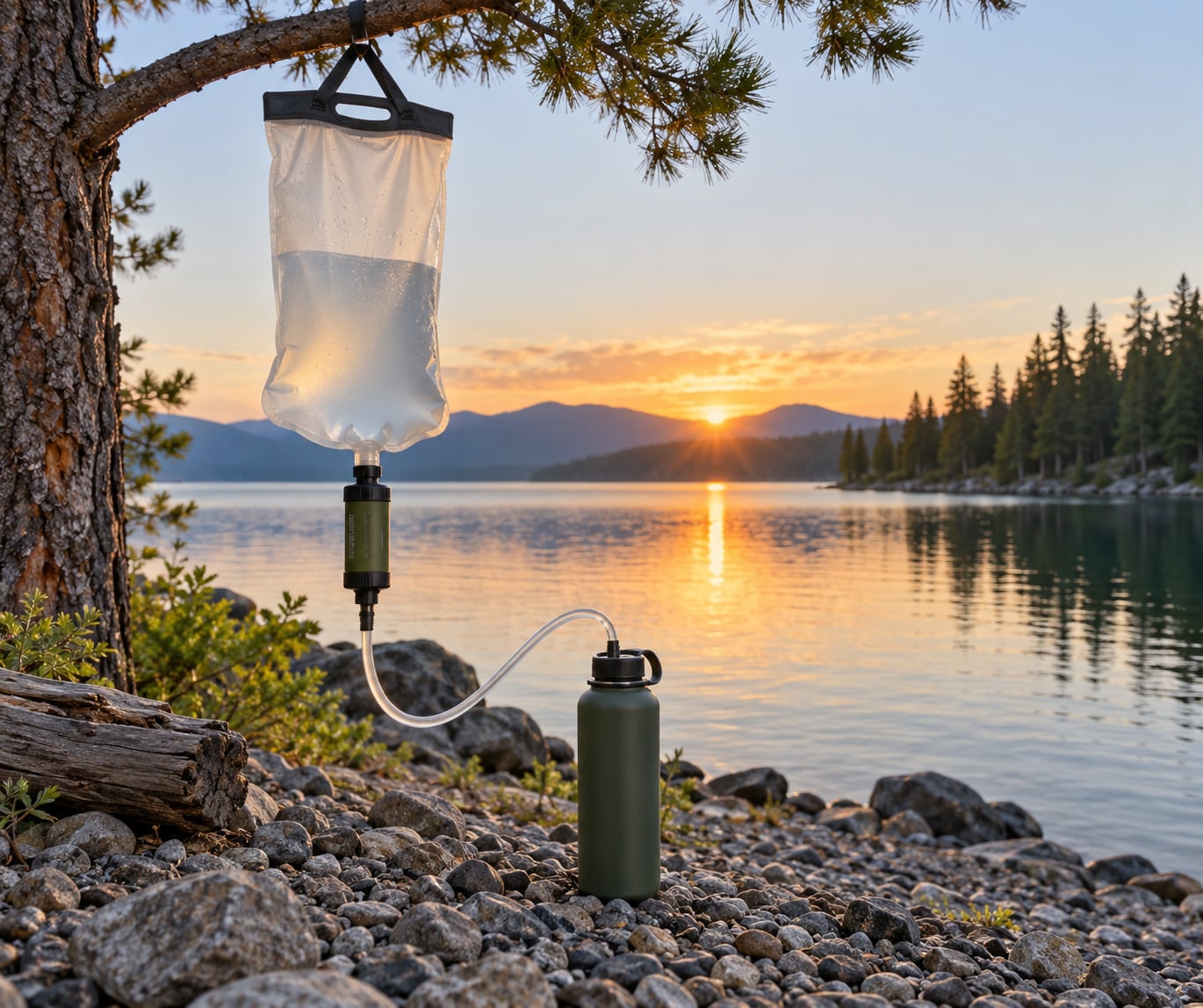
Inspect the housing, the O-rings and the tubing for cracks and splits. Fill the element with water and squeeze or pump it until flow is steady, following whatever your manual says about flushing and for how long, because manufacturing residue needs to come out before anyone drinks it. Fit a prefilter if the water carries silt, and hang or set the dirty bag where it will not swing into branches, which is how bags get punctured.
Check for drips at every fitting with the outlet pointed down over the ground, not into your clean bottle. A small leak at the threads shows up as a slow drip you will not notice until the bottle is three-quarters empty.
4. Collect and filter the water
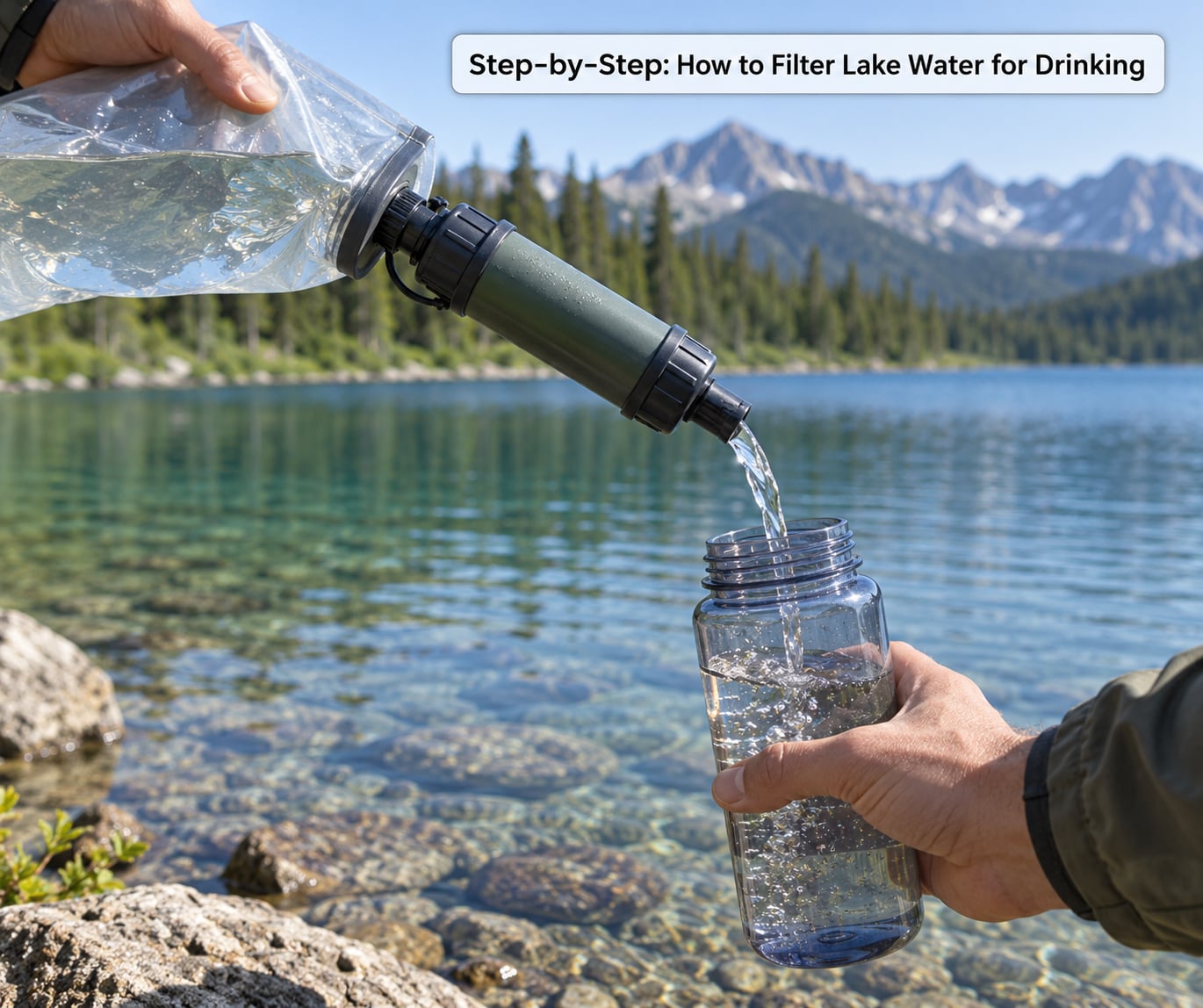
Fill the dirty container at the source you selected, keeping the rim of the scoop or bladder above the mud line. Rinse it with a swish of lake water before it goes near your clean bottles, and never let it touch a fitting.
Pour lake water through a bandana or coffee filter into the dirty bag first. This costs two minutes and often saves the cartridge, because lake water carries fine sediment that clogs a hollow-fiber element long before it is a safety problem.
Filter slowly. Squeeze gently, or hang the bag and let gravity work while you break camp. Backflush as soon as flow drops noticeably, and backflush again at the end of the day. Forum regulars treat a backflushable filter as the minimum for lake trips, and the failure pattern they describe is always the same: flow collapses, people ration or skip filtration, and that is when water gets drunk untreated.
Keep the two sides of the system apart in your mind and in your camp. Nothing from the dirty side touches the outlet, the clean bottle or the spout. Touching a clean fitting with dirty hands undoes a perfectly good filter, and one paddler on the BWCA thread put it plainly: filtering and still getting giardia is usually cross-contamination, not a leaky membrane.
5. Disinfect the water when the device does not do it
Use this step as a backup and in any water you are not confident about, especially after a rainstorm, near a spill, or when your filter failed.
Follow the label. Chlorine dioxide products commonly treat one liter per tablet and need about 30 minutes before drinking; some products dose two tablets per liter, which is why the label beats my memory. Unscented household bleach works too, at 8 drops (about one-eighth teaspoon) per gallon of clear water and 4 drops per gallon for cloudy water, with a 30 minute wait. Iodine drops in the standard field range need roughly the same wait and are more expensive, but they do not spoil water in a hot bottle the way bleach does.
Cold water slows everything. If the source is near 40 degrees, double the wait before you trust it.
6. Store and handle treated water safely
Use containers you cleaned before the trip, not the ones you carried lake water in. Fill bottles from the clean outlet, cap them, and write the treatment time on the bottle with a piece of tape.
Keep treated water shaded and cold. Warm water supports bacterial regrowth after treatment, and a bottle sitting in a hot boat all afternoon is not drinking water any more.
Boiling has a storage rule too: cool the water in a covered container and keep it covered. CDC guidance for a rolling boil is one minute, or three minutes above 6,500 feet, and boiling does nothing about chemicals or toxins.
7. Know when the water is not worth drinking
Sometimes the correct answer is to find water somewhere else. Walk away when the water is heavily clouded with sediment you cannot prefilter out, when there is a surface scum or a color that suggests an algal bloom, when a chemical or fuel spill is on record for the waterbody, or when you have no way to treat it and no way to boil it.
Algal bloom water deserves its own line, because filtering makes it look fine. Cyanotoxins from harmful algal blooms are not removed by microfilters, purifiers, chlorine or boiling. If a lake has an active bloom advisory, drink from a tested source or carry water in.
Same rule for fuel, pesticides, PFAS and heavy metals. No field filter handles them, and neither does boiling.
Common Mistakes
Treating a filter like a purifier. Filters strain out giardia and bacteria. Viruses pass through. If your group includes small children or anyone with a weakened immune system, use a purifier.
Grabbing a household pitcher filter. Brita-style cartridges use activated carbon to improve taste and reduce chlorine. They are not rated for pathogens, and carbon media gives bacteria a place to grow. No, a pitcher will not make lake water drinkable.
Skipping the prefilter. Lake silt is fine enough to blind a hollow-fiber element in a few gallons, and a blocked filter encourages you to stop filtering.
Pouring cloudy water straight through. Turbidity means there is a lot of suspended material and it shields microbes. Settle it, prefilter it twice, or move to a cleaner spot.
Dosing and drinking immediately. Chemical disinfection needs a full contact time, longer in cold water. If you cannot wait 30 minutes, you have no backup.
Reusing the dirty container. The most common way treated water becomes contaminated. Keep the scoop, the bladder and the bucket on the dirty side permanently.
Treating water near a spill. Filtration and boiling both leave fuel, solvents and pesticides in the water. Surface skimming makes it worse by pulling floating contaminants into the intake.
Frequently Asked Questions
Can you filter lake water to make it drinkable?
Yes, but only with the right equipment and in the right order. Pre-filter out sand, silt and algae, then run the water through a microfilter rated at 0.1 micron absolute, which strains out giardia, cryptosporidium and bacteria. If viruses are a concern, follow with a purifier, chlorine dioxide, UV or a rolling boil. Filters alone do not remove viruses, chemicals or algal bloom toxins.
Can a Brita or pitcher filter make lake water safe to drink?
No. Household pitchers and most under-sink carbon cartridges are built to improve taste and reduce chlorine from treated tap water. They are not certified to remove pathogens, so giardia, cryptosporidium and bacteria pass straight through. Activated carbon also gives bacteria a surface to colonize. Use a filter or purifier rated for backcountry water, not a drinking-water pitcher.
Do I need a filter or a purifier for lake water?
For most adults on backcountry lakes, a 0.1 micron absolute microfilter plus a chemical backup covers the realistic risk, because filters reliably remove protozoa and bacteria. Choose a purifier when children, pregnant people or anyone immunocompromised are drinking the water, when you are near communities without sewerage, or when human waste enters the lake. Purifiers add virus disinfection at the cost of weight and flow.
How long should I boil lake water before drinking it?
CDC guidance is a rolling boil for one minute, or three minutes above 6,500 feet, where water boils cooler. Boiling kills bacteria, viruses and protozoa. It does not remove fuel, pesticides, heavy metals or cyanotoxins from harmful algal blooms, and it still has to be cooled before you can drink it, which is why most paddlers treat boiling as a backup rather than a daily method.
Why does my water filter get so slow on lake water?
Almost always sediment. Lake water carries fine silt that plugs the hollow-fiber element, and the flow drop gets worse with every liter. Run lake water through a bandana or coffee filter first, filter slowly, and backflush as soon as flow slows noticeably rather than waiting for it to stop. Field reports from paddlers consistently say a filter you cannot backflush will fail inside a single lake trip.
Do water filters remove algae and harmful algal bloom toxins?
Filters can remove sediment and algae mats that strain out as particles, but the toxins produced by harmful algal blooms are dissolved chemicals. Microfilters, purifiers, chlorine, UV and boiling all leave cyanotoxins in the water. Treating bloom water often makes it look and taste fine, which makes it more dangerous, not less. Check local advisories and drink from a tested source instead.
Conclusion
If you only remember one thing: pick a better source before you pick a filter. Walk away from boat ramps, storm drains, beaver activity and any shoreline with a bloom advisory, and take your intake from 10 to 20 feet below the surface and clear of the bottom.
Then match the equipment to the risk. A 0.1 micron absolute filter handles protozoa and bacteria for most adults, a purifier adds virus protection when the group includes kids or anyone vulnerable, and a bottle of chlorine dioxide tablets or unscented bleach is the backup that fails differently when the element clogs, freezes or cracks.
Pre-filter the sediment, filter slowly, backflush early, and keep treated water in containers that have never held lake water. That is how to filter lake water for drinking without thinking about it every hour of the trip.